Senior man with glass of fruit smoothie sitting in the kitchen
NO
GUTS, NO GLORY No, this isn’t a pep
talk about the courage to get in shape. This is a “pepsin” talk for people who,
quite literally, don’t have the guts to get healthy. They have the courage, but
not the guts. By guts, I mean intestinal fortitude, a clean colon, healthy
liver and a strong core. You may be successful in the gym, but your health is
still in jeopardy without gut health and core strength. You may have nice muscle
definition and low body fat, but physical appearance has very little to do with
overall health. Needless to say, gut health goes far beyond diet. Core strength
goes far beyond having six pack abs. FARM FRESH FOODS & GREAT GRANDMA’S CONCOCTIONS
I know a lady in her late 70’s who’s slightly overweight. She never bothered to
exercise. We were lunching together at a church picnic and she’s enjoying ALL
the yummy stuff … basically eating whatever she wants. I’m sitting there with
my bunless grass-fed beef burger, broccoli bits and unsweetened applesauce.
“Doesn’t any of that junk food bother you?” I asked. “Nope” she replied. “I can
eat just about anything.” After much conversation, we discovered the answer to
this great mystery. As a little girl,
she was raised on a farm. Her entire family worked the land and ate fresh, homemade,
unprocessed foods (as did almost everyone from that generation). When she did
get ill, her mom would administer great grandma’s homemade medicine for
whatever ailed her; cough, flu, stomach ailments … chigger bites. In sharp contrast, kids from my generation and younger were treated to a
host of preservatives, fillers, dyes, sweeteners, prescription drugs, GMO’s and
poisonous foods disguised as “healthy”. Consequently, we’re allergic to
everything, can’t eat anything and are medicated way beyond reason. Yes, we can
do 100 squats in a CrossFit session. Yes, we can lift heavy weights and run 5
miles a day. But we can’t eat a freakin’ sandwich without getting the runs and
breaking out in hives.
Now I’m asking myself, “Is this what
healthy is supposed to feel like?”
FIRST,
THE BAD NEWS. As the New Year turns a
corner, many of you have considered joining a gym and getting in shape. That’s
great. But if, after all the diet and exercise, you still have stubborn belly
fat, irritable bowels, fatigue and food sensitivities, you may have an unhealthy
gut. The point of getting in shape is not just to look good; you should feel
good too. Without a healthy digestive system, your body won’t be able to
recover. Your supplements, protein powders and expensive veggie drinks will
simply slide unused through a skinny hallway of nearly petrified fecal matter
(your colon) and into Colorado Springs’ septic system. Well … that’s one way
your money goes back to the city government!
IN
PART TWO … True health begins on
the inside. In my next blog, since this is about Fitness, I will address
exercises that you can do to strengthen your gut and colon. Plus, I’ll share a
valuable checklist so you can be sure you’re using safe, healthy methods for
muscle recovery and regeneration.
Vicki Morgan C.P.T. is a Senior Strength Trainer at Flex Gym with ACE certifications in Post-Orthopedic Recovery and Nutrition Essentials. At age 55, she enjoys competitive powerlifting and bodybuilding. Reach her at seniorstrength.pro. Consult your physician before beginning any exercise program. If you experience pain or difficulty, stop and consult your healthcare provider. This article is not meant to take the place of any treatment or activity your physician has deemed necessary.
If you’re
reading my blogs, you may be at the point when you’re ready to do something about your state of fitness.
If you’re already training, maybe you’re ready to step it up a notch. If you’re
not training, maybe you’re ready to start. High blood pressure, diabetes,
osteoporosis liver fat build up, muscle loss … these things don’t go away on
their own. So it only stands to reason that you would want to take action.
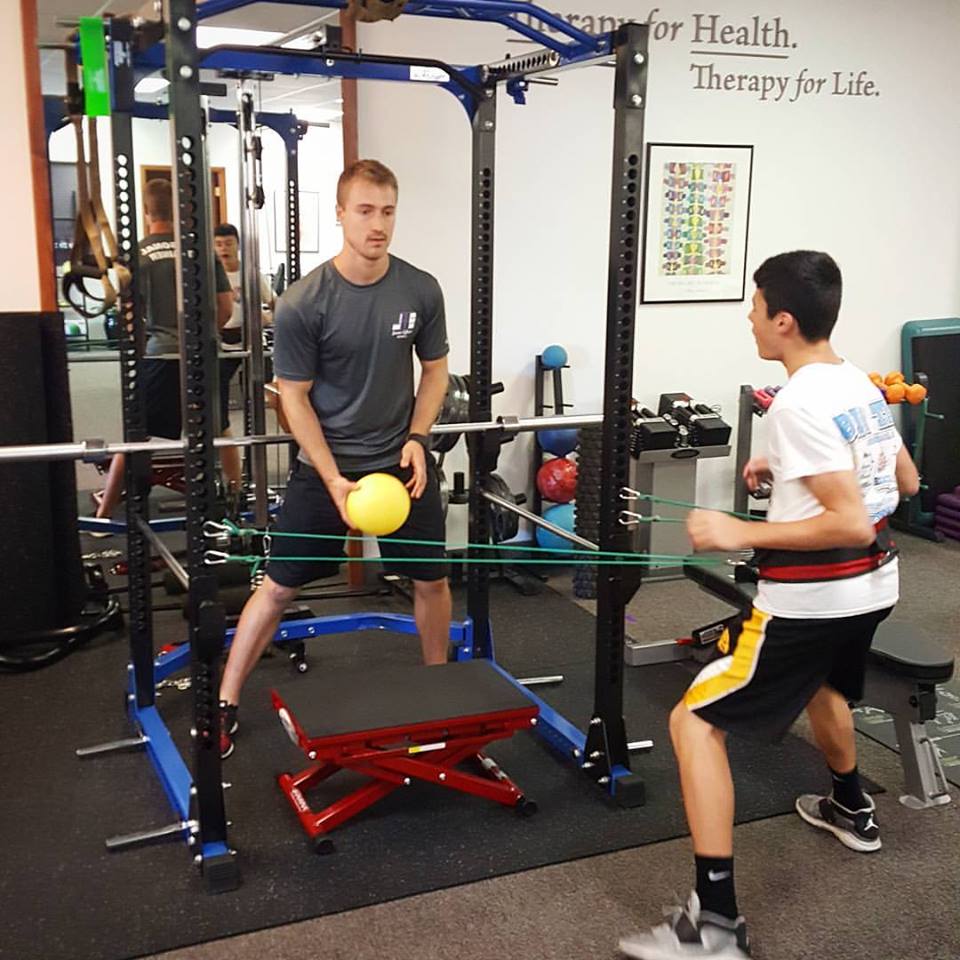
Hiring a Personal Trainer may NOT be the best first step however.
As a Personal Trainer,
I’m probably shooting myself in the foot here, but I’ll gladly do it because I
hate to see people hire a trainer when what they need is a physical therapist. I see so many older folks, limping
and hobbling around with the same Personal Trainer year after year. They’re
hobbling because they have underlying imbalance, postural and muscular issues
that cannot be corrected with exercise.
Will exercise
help them? YES. Will they make significant improvements without correcting the
underlying issue? NO. In fact, training without addressing an underlying issue can
cause further damage … especially if the trainer is uncertified or new, and has
absolutely no clue how to perform corrective training. Will trainers happily
collect money from imbalanced clients for years without improving their
mobility? YES … the greedy ones will.
So let’s find
out what different practitioners do, and don’t do.
PHYSICAL THERAPISTS
According
to The American Council on Exercise, Physical Therapy students spend at LEAST 7
years in formal education; earning first a Bachelor’s Degree in Physical Therapy, kinesiology, sports medicine or a similar field. Then it’s off to
graduate school where they’ll earn a Doctorate Degree in Physical Therapy
(DPT). Upon completion, they study 8 hours a day for three to six months to
pass the NPTE (National Physical Therapy Exam for licensure). Physical Therapists
also need to be licensed by the state they practice in and fulfill state
requirements such as jurisprudence exams, according to the Bureau of Labor
Statistics. They must also take continuing education courses to keep their
practice updated to maintain their license.
THE ROLE OF A
PHYSICAL THERAPIST
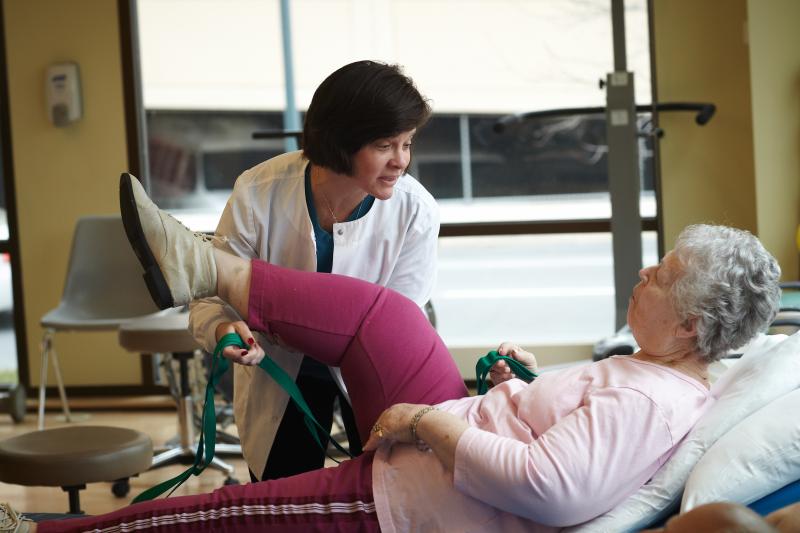
Physical Therapists diagnose, treat and rehabilitate patients
who have an injury or disease that limits their movement. Their job is to help
patients move independently, alleviate pain and prevent disability. They often
work with patients with joint and muscle pain, multiple sclerosis, arthritis,
cerebral palsy, stroke, spina bifida, injury, and post-surgical
conditions.
PERSONAL TRAINERS
Welcome to
the soapbox, folks. You may be shocked to find out that personal training does not have an educational standard and is
self-regulated. Certifications are available, and the most respected of them
take 4-9 months of full time study, with a pass rate of around 58%.
Requirements
to be a Personal Trainer: 18 years of age. They should also be
CPR and first-aid certified. That’s it. There is NO REQUIREMENT for formal education,
legitimate licensure or continuing education. The best organizations will offer
continuing education, specialty certifications and informative publications for
their participants. Reputation is what distinguishes the good organizations
from the shoddy ones, but there are no official standards in place.
The fitness clubs decide for themselves who will train their precious
members. Some will allow “uncertified” trainers to work at their facility, or
they may offer some sort of “quickie certification” to trainer wannabees. These
“quickie” certs cost the newbie about $200 and are easily obtained. Heck … I’ve
even seen ads online for $79 certifications. Are we shocked? NO.
So your trainer may have a master’s degree in biomechanics with five
years of experience working at a clinical setting, or may have a quickie
license with no experience whatsoever. If they’re smart, they’ve memorized
the “training lingo” very well and can hustle you into a co-dependent
relationship that will last for years.
THE ROLE OF A PERSONAL TRAINER The
role of a Personal Trainers is to design exercise programs and help clients
execute them to maintain or improve their health. If your trainer does not have
a designed program in place for you, ask for one. Besides
programming, Personal Trainers also motivate clients to a healthier lifestyle,
help prevent injuries with proper form and follow through with the client’s
physician or Physical Therapist’s advice. They should also screen clients’ movement
patterns to make sure that they can move freely without pain or limitation.
ARE YOU ON THE RIGHT ROAD? You
may complain to your trainer about severe back pain, troubles with mobility, diabetes-related
symptoms. These issues blur the line between fitness and medicine, and by law,
your trainer is required to at least suggest
that you see a proper health practitioner. Problems like these are beyond a
trainer’s expertise, and if he/she has your best interest in mind, a
recommendation will be given.
A
friend of mine is a Physical Therapist. He has a National
Certification in Athletic Training. He has worked with athletic teams on
all levels including high school, collegiate and professional. He’s quick to
point out the value of both PT and fitness training: “Research shows that Physical Therapy can get you moving better,
aligned better and feeling better, but it is exercise that’s going to keep you
there, and prevent you from re-injury.”
Lately,
he has noticed a decrease in how many PT sessions insurances were willing to
cover. He was concerned that he was sending his patients out without the
strength they needed to perform activities of daily living. For this reason, he
works in tandem with an outside trainer. Working with a trainer allows him to co-monitor
a patient who’s just been released from PT.
That
way, he can make training recommendations and keep informed of the patient’s
progress. “We get patients so that
they’re functional again, but we want to take them beyond that … into higher
goals and also the preventative stage. If they don’t continue to maintain and
advance, they’re going to end up back in our clinic with another injury …
somewhere else. The people that are able to continue to exercise stay healthy.
We’re here if they get reinjured, but if we can prevent that from happening …
that’s the whole goal.”
THE BOTTOM LINE
When in doubt, see a Physical Therapist. Don’t rely on your Personal
Trainer to perform the work of a Physical Therapist. While PNF stretching and
foam rolling are well within the scope of practice for a Personal Trainer,
manipulation and massage therapy are not.
If you experience significant pain during regular physical activity that
others don’t seem to have, it may be time to address then with PT, then return
to your Personal Trainer afterwards. By the same token, PT’s are not gods. They
can be wrong, and I’ve gone to battle with a few of them regarding squat form,
functional movements and strength training. BUT … when the chips are down, your
Personal Trainer should be mature enough to realize that the ultimate decision
rests in the hands of the licensed health practitioner … and the client of
course!
See you at the gym!
Vicki Morgan A.C.E. is a Senior Strength Trainer at Flex Gym. Reach her at seniorstrength.pro. Always consult your physician before beginning any exercise program. If you experience pain or difficulty, stop and consult your healthcare provider. This article is not meant to take the place of any treatment or activity your physician has deemed necessary.
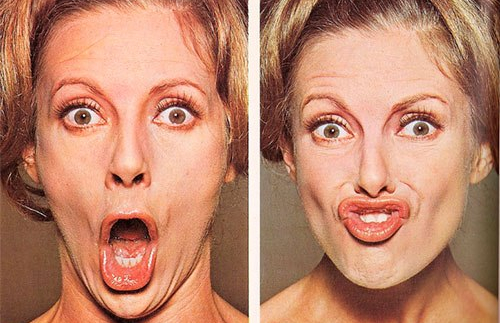
Squinting, blinking,
making faces, rolling eyes and sticking out the tongue. Standard operating procedure for a young
brat. Who would have imagined that these foolhardy things we used to do as kids
would resurface as the latest fad … Facial Yoga?
Actually, it’s not new at all. For generations, men and women from Asia have
passed down the practice of facial exercises for fitness, peace of mind and
beauty. Cleopatra and other well-known beauties were thought to have practiced
facial exercise. Following suit are
celebrities like Gwyneth Paltrow, Reese Witherspoon, Madonna, and Jennifer
Aniston.
It only stands to reason that if exercising your body increases blood flow,
tones muscles, improves skin condition and relieves stress, so does exercising
your face. Face Yoga is generally given two thumbs up by doctors, because it’s a
non-invasive method of smoothing out lines and wrinkles. No drugs, no
injections, no recovery time. No Botox, no surgery and best of all, no cost. It
just takes dedication and patience, just like anything else that’s worthwhile.
So how does it work?
When you stimulate the muscles of the face by forcing specific motions, the three
layers of skin … namely the hypodermis, the dermis and the epidermis … respond.
It’s like training any muscle. Collagen and elastin production is stimulated.
The Central Nervous System receives messages of new use and movement. When you
work all the layers correctly, you increase the blood circulation, which allows
more oxygen and nutrients to reach your skin’s cells. Remember, your skin is
the largest organ of the body. Slathering it with expensive moisturizer is just
a small part of how you should maintain your face. If you stick with it, you’ll
end up with visible results … a healthier complexion and skin which holds
moisture more ably.
It’s never too late
to start. What’s true for the muscles in your body is equally true for your
face. You’ll need to make a habit of it, however. An effective routine is 20
minutes a day, 5-6 days a week. Facial Yoga experts report noticeable,
long-term results in those who stick with it for two weeks or more. And it only
gets better. After a few months, people usually start to notice other benefits
such as reduced tension and better facial hydration. Hey … there’s certainly no
harm in trying, and it’s better than a kick in the head (as the saying goes).
I personally don’t teach facial exercise, but former college teacher Fumiko
Takatsu does. When she was 36 she got into a terrible car accident. She
developed a fear of aging and lost all self-confidence. To help herself recover
from what essentially was PTSD, Fumiko created her own brand of Face Yoga.
Fumiko claims to be the first person to advocate Facial Yoga in Japan, and has
been practicing yoga for over 30 years. You can find her at faceyogamethod.com.
Vicki Morgan A.C.E. is a Senior Strength & Fitness Trainer at Flex Gym and Fitness. You can reach her at seniorstrength.pro. Always consult your physician before beginning any exercise program. If you experience pain or difficulty, stop and consult your healthcare provider. This article is not meant to take the place of any treatment or activity your physician has deemed necessary.
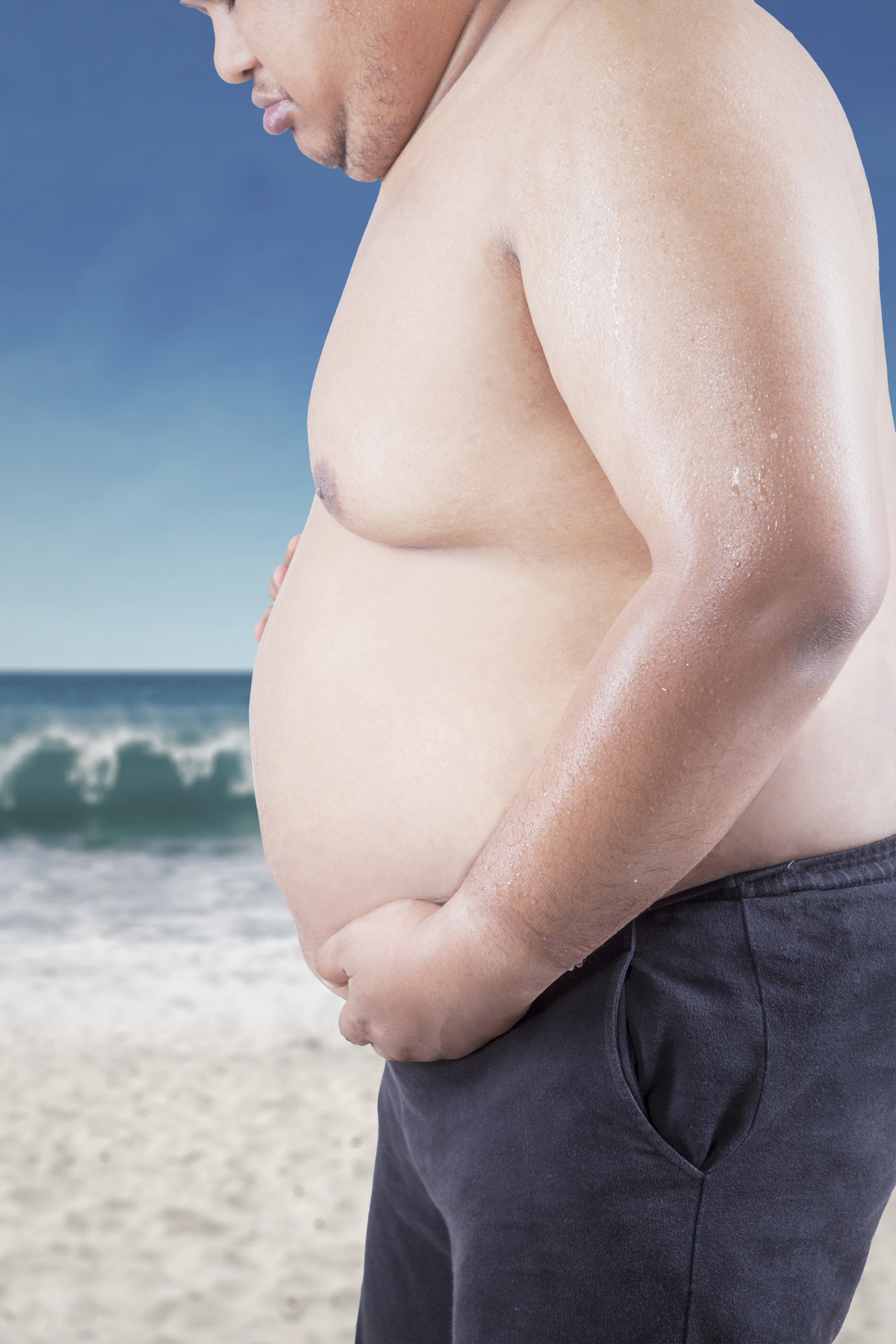
Closeup of unhappy person looking and holding his tummy on the beach
A regular
client of mine struggles with love handles. His stomach looks and feels like a
basketball. He also use to have “moobs”. I don’t particularly like the term. It
stands for “man-boobs” which is an even worse term. The stigma attached to these
unwelcome tenants is unfounded and hurtful … often leading to feelings of
depression and low self-esteem. The correct term in most cases for enlarged
male breasts is Gynecomastia.
After a year
of faithful weightlifting, an active job and cutting out all sugar, my client
lost most of his gynecomastia. With testosterone supplementation, he gained
nice lean muscle. His body was transforming, but his love handles and distended
gut remained. He still looked nearly obese.
“Why?” he
asked. “Is there an exercise to “target” these areas?”
Easier said
than done. On men, these are the toughest areas to tackle and sadly, they can’t
be eliminated through movements like side bends and crunches. In fact, chances
are better than 50% that solving the underlying issue involves seeing a doctor.
My eventually client went to the doctor and was prescribed testosterone. Three
months later the stomach and love handles still remained.
Doctors will
sometimes mistake the symptoms of gynecomastia, love handles and round gut for
a low testosterone issue. But if the man is overweight and/or has an unhealthy
liver, hormonal remedies (like
testosterone cream or injections) will often fail. The body will likely convert
the additional testosterone into more estrogen. This can worsen the original
problem and also may risk enlargement of the prostate.
If you’re
thinking about treatment for any of these issues, it may behoove you to
consider the following:
Improve the health of your liver. If your liver is healthy you will find
it significantly easier to maintain a healthy body weight and your liver will
break down excess estrogen effectively.
Ask your doctor to consider Hormonal Imbalance,
Type 2 Diabetes, Insulin Resistance or Syndrome X. Fat cells in the torso will
cause the body to manufacture Aromatase (raising estrogen levels once again) and
elevate blood insulin levels.
Weightlifting
(linear and progressive, closed chain movements like the squat and deadlift)
along with vigorous, sweat-producing explosive, steady state or HIIT cardio …
all these have proven benefits in raising testosterone levels, elevating mood
and well-being, and giving a big boost to fat metabolism.
Bottom line: You’ve done a thousand sit-ups a day and
not seeing results? Check your diet, your liver and hormonal health. If you’re
exercising regularly, you may not be pushing yourself quite hard enough. I
don’t believe in extreme reps or boot camps, but I do believe you should be
breaking a good sweat during cardio or training. That requires 30 minutes or more of rigorous cardio
and/or training, 5 days a week.
See you at the gym!
Vicki Morgan A.C.E. is a Strength and Fitness Trainer at Flex Gym. Reach her at victoryfitnessteam.com. (Thank you to The Liver Doctor for the medical information)
Young Adult Woman Consoles Sad Senior Adult Female.
I love fall. That cold slap in the face, the colors of desert
sunsets sprinkling the trees, the smell of pine in the air … what a gorgeous,
joyful time. For some.
For others it’s a grim reminder of the coming winter … a biting
freeze that chills to the arthritic bone. The stifling, thick cold makes it
hard to breath, makes the heart work harder, makes the hands hurt and grow numb
… and it’s too bloody cold to walk outside. Fall and winter in Colorado are the
roughest times of year to start an exercise program. The onset of cold can be
quite discouraging to an already unmotivated soul.
In part one of this article, I talked about mental immobility. Not
only is it depressing and de-motivating, it is internally, physically and
mentally destructive. Mental paralysis can be born of fear, anxiety, depression,
grief, despair, medication or disease. Those who have never suffered from
immobility have no idea what it’s really like. A sufferer usually can’t just
“snap out of it” or “visualize” their way out of it. In the latter section of
part one, I unpacked what happens physically when we move our muscles ever so
slightly. We learned in part one how just the slightest movement does a world
of good. Even flopping around on the bed can be considered exercise. From the
folds of our couch, from the fortress of our bed, even moving one limb
activates a whole chain of physical reactions that cause you to become addicted
to movement … and therefore addicted to exercise.
Consider this. If you’re mentally immobile and can’t get motivated
to exercise, it may be due to the pressure that you feel to get fit. But here’s
the deal. Wrong beliefs about physical activity may be counteracting your motivation.
Here are just a few to consider:
Exercise has to be intense to be valid. NOPE!
You have to exercise at a certain time, and you have to commit to
those hours. NOPE!
Reaching goals is a requirement for happiness and success. NOPE!
Exercise should be exhausting, not renewing or relaxing. NOPE!
Exercise does not have to be intense. It’s supposed to be YOU
time. The “No Pain, No Gain” approach is dead. It’s old school. The old adage
of “high intensity for at least 30 minutes” has been replaced by newer
recommendations that permit lower-intensity activity in shorter durations. I
have a client who is 78, and after one year of what I call “feel-good strength
training”, she’s almost as strong as I am. She’s been sore maybe ONCE in that
entire year. She feels decompressed and renewed after training … not beat up
and spent. You can slowly, steadily do something at home every day, and YOU can
pick the time! The only requirement is consistency. If you haven’t moved much in
ten years, then kicking your legs for three minutes, twice a day on the couch is
probably sufficient to start. Remember … exercise should never be a burden. It
is a discipline, but it should be a joyful one.
Somehow, someway, if you try, you will come to love exercise. You
may have to actually invent exercises that are fun for you personally. A more
relaxed approach to exercise might boost your motivation as well. You can move
in ways that will renew instead of exhaust you. Any movement is better than
nothing. The world will keep turning if you miss a day.
One last note: If you’re being pressured by a concerned family
member to “get in shape or die”, that in itself can be demotivating.
Encouragement is ALWAYS better than a threat. Love is a better motivator than
fear.
Now that the pressure is off, try enjoying a bit of movement. In
the last part of this short series, I’ll give you some ideas for “feel good”
strength training that you can do at home.
Vicki Morgan A.C.E. is a Senior Strength & Fitness Trainer
at Flex Gym and Fitness. She is also a professional blog writer and audio
podcast producer. Consult a
physician before beginning any exercise program. If you experience pain or
difficulty, stop and consult your healthcare provider. This article is not
meant to take the place of any treatment or activity your physician has deemed
necessary.
REFERENCES: Contributed and/or Updated by: Anish R. Kadakia, MD Peer-Reviewed by: Stuart J. Fischer, MD; Steven L. Haddad, MD
Getting out of bed in the morning can be a daunting task in Life After
50 Paradise. Some of us can’t straighten up. We slide off and then slump
over the bed, allowing for what appears to be a moment of prayer but it’s
actually a chance to relish the last vestiges of a gravity-free day. As we
accordion-walk our way to the bathroom, various aches, pains and mental issues
creep in. Growing older is a great way to stay humble … if you’re concerned
about spiritual growth that is. For others … it’s just a pain in the gluteus.
Even with 45 minutes of cardio a day, stretching, powerlifting, weight
training and personal training … at age 55 it’s getting harder for me to get
out of bed.
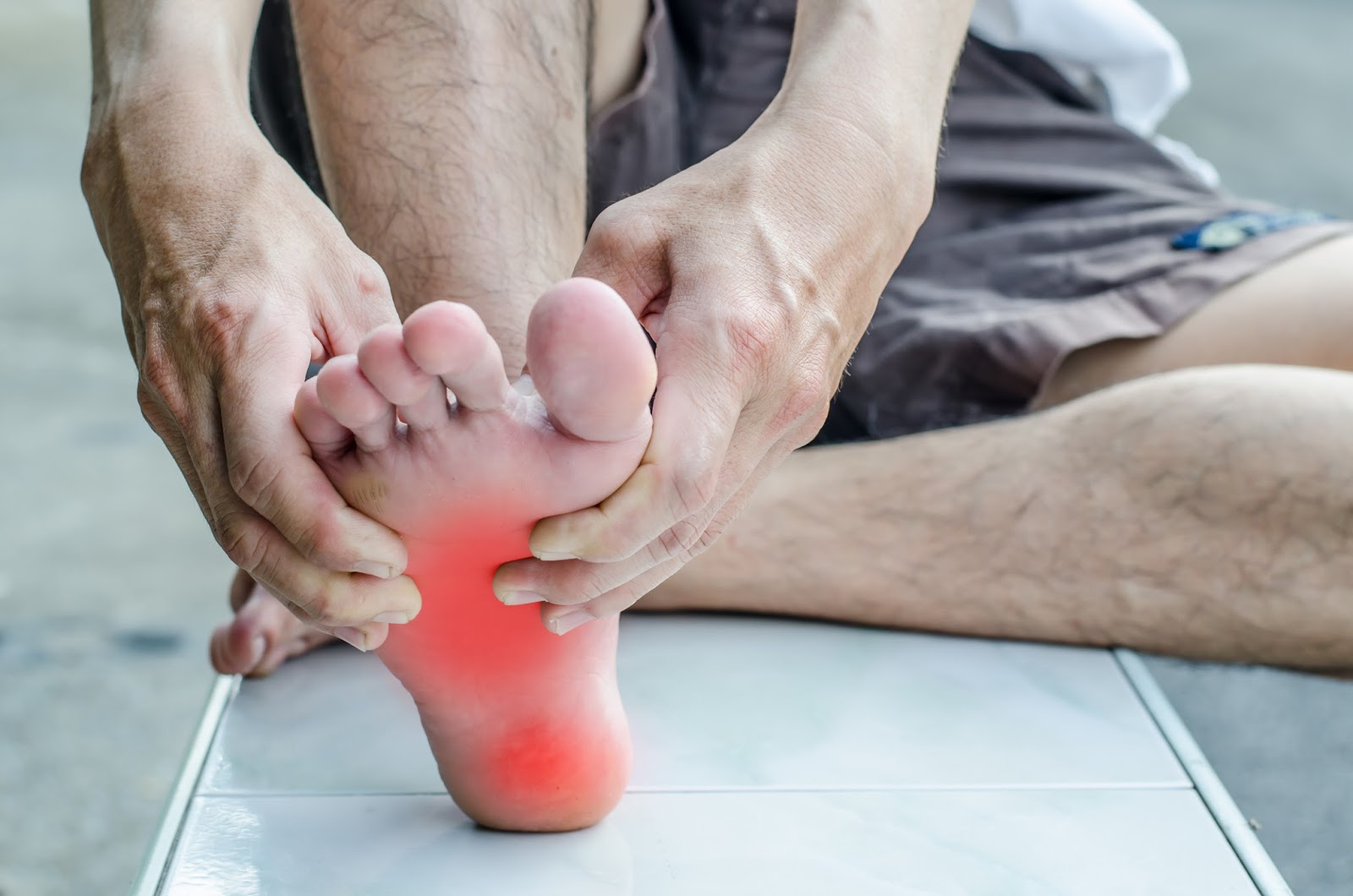
But not nearly as hard as for those who suffer from Plantar
Fasciitis. If the bottom of your heels hurt
after sleeping, sitting or during exercise, you may have PF. There’s a fibrous “rubber band” that
stretches along the bottom of your foot. It’s supposed to be nice and springy,
absorbing the stress and pressures you place on your feet. But too much stress
without adequate flexibility will cause injury to the tissue. As we age, we
lose elasticity, plasticity and lubrication … affecting us in places like the
Plantar Fascia and Achilles tendon. The body responds with painful inflammation
and hence … you’re tip-toing to the bathroom. The pain is sharp … severe enough
to discourage anyone from doing physical activity.
It may feel like a bone spur, but it may not be a spur. And good news
here … if you do have a spur, it is probably
NOT the cause of your pain. Again … heel spurs do not cause much foot pain
(This from the American Academy of Orthopedic Surgeons). Only
one out of ten people have heel spurs, but only 5% of those have foot pain. So
it’s important to note that spurs do not cause plantar fasciitis, and therefore
your pain can be treated without removing the spur.
If your doctor wants to take X-rays, please
don’t treat him/her like he/she’s the devil. It’s common for doctors to use
X-rays to rule out arthritis or hairline fractures. Typically an MRI will be
suggested only when initial treatments don’t relieve pain. Surgery
is almost never considered without at least 12 months of non-surgical
treatment. Most PF sufferers do well after surgery. But surgery can also
result in more chronic pain and immobility. Complications of PF surgery include
failure to relieve pain and nerve damage. For this reason, The American Academy
of Orthopedic Surgeons recommendeds surgery only
after all nonsurgical measures have been exhausted. So let’s avoid it
altogether if possible, okay?
TREATING AND/OR AVOIDING PLANTAR FACIITIS If you’re overweight, have high arches, are engaged in
repetitive exercise and/or have begun a new activity, then you’ll want to nip
PF in the bud before it stops you from doing the things you love. Here are the
things you can do to be proactive in avowing and treating PF:
Stretches – Plantar fasciitis is awakened by taut muscles in your feet and calves. Stretching and massaging your calves, plantar fascia, feet and Achilles tendon is the most effective way to relieve the pain and avoid this condition. I always guide my clients into stretching after a workout. Some of them complain that my flexibility lessons are a waste of their time and money. I tell them it’s not about the money. It’s my way or the highway on this subject.
Cortisone injections – Cortisone is an anti-inflammatory steroid, injected into the plantar fascia to reduce inflammation and pain. Your doctor may limit injections, and rightly so. Too many steroid shots can cause ruptures which lead to “flat foot” and exacerbated pain.
Supportive shoes and orthotics – Get supportive shoes with thick soles and cushioning to reduce pain. Please don’t cling onto those dilapidated, stained, lopsided shoes for one more second. Spend some bucks and spring for a GOOD pair. A cushioned shoe reduces tension and micro-trauma to the Plantar Fascia. Soft silicone heel pads, store-bought and custom orthotics may also prove helpful.
Night splints – Most folks sleep with their feet pointed down, which relaxes the plantar fascia and causes morning heel pain. Try sleeping with the PF stretched instead. I do this with my toes up against my blanket. If you can’t do it, ask your doctor about a night splint. A Night splint is not for wimps. It is uncomfortable but very effective. Once the pain is gone, you won’t need to wear it anymore.
Physical therapy – A personal trainer can show you how to stretch, but if you can’t do it yourself, a Physical Therapist will stretch your muscles and fascia for you. Physical Therapists are also licensed to apply specialized ice treatments, massage, and medication to decrease inflammation.
Extracorporeal shockwave therapy (ESWT) – Powerful shockwaves that stimulate the healing process in damaged tissue. This is a fairly new procedure. Two of my friends have had this done with terrific results, but clinically it is still not a tried and true procedure. Because of the minimal risk involved, ESWT is sometimes preferred before surgery is considered.
Questions? Email
me at victoryfitnessteam@gmail.com. See your happy feet at the gym!
Vicki Morgan A.C.E. is a Senior Strength Trainer at the YMCA Franklin and a Stretch Practitioner at Stretch Zone in Tollgate Village TN. Reach her at seniorstrength.net. Always consult your physician before beginning any exercise program. If you experience pain or difficulty, stop and consult your healthcare provider. This article is not meant to take the place of any treatment or activity your physician has deemed necessary.
TAKE A LICKING, KEEP ON TICKING. Well, congratulations. Not only did you make it through another year, you are now a member of an elite class of people who “refuse to stop moving.” If you’re a baby boomer or a little older, you are part of the first generation that refuses to quit exercising. This observation comes from Dr. Nicholas DiNubile, an orthopedic surgeon who specializes in sports medicine. He is a clinical assistant professor at the Hospital of the University of Pennsylvania. Around 1997 he realized that he was treating an increasing stream of older adults who refused to temper their exercise as they got older. That’s great. But there’s a downside. We’ve extended our life span, but we have not extended the warranty on our muscles, bones, joints, tendons, tissues and spinal disks. They all deteriorate with time. While DiNubile encourages seniors to exercise regularly, he recommends moderating or diversifying activities to avoid overuse injuries.
In my case, I’m a competitive powerlifter. At age 50, I noticed lifting began to take its toll. In order to stay in the game and avoid serious injury, I had to radically change my training strategy. I used to train high reps. Now I concentrate on strength … building endurance with explosive (HIIT) cardio instead. At age 55, I still hold national records and manage to place in the top 5 at any given meet. But I only aim for one meet a year instead of three.
THE PROBLEM WITH REPS Those of you who do CrossFit, jogging and other repetitive impact sports may notice your joints, tendons and spine showing signs of wear. Don’t wait until your discs are compressed or your knees have to be replaced. Find a sport that allows you to get strong without so much repetition. Or take more rests, even if it means extending your training session. At the very least, make sure you’re doing plenty of self-care like massage, foam rolling, body work, stretching and Jacuzzi.
A YEAR OLDER, A YEAR WISER Dr. DiNubile observes, “Every time I’m in the office, I’m treating someone who’s been injured in their effort to be fit.” But don’t let the fear of injury put you on the couch. The human body was made to be used. So apply that wonderful wisdom … and maybe some common sense. With all the new information available about smart training, target-supplementing and healthy eating, it’s no wonder that older swimmers are turning in their fastest times ever. It’s no wonder that men and women in the 70’s, 80’s and even 90’s continue to build strength and muscle mass. Weight training is not the enemy. It can reverse osteopoenia and even osteoporosis. It can actually make muscles younger, according to a study by the Buck Institute for Age Research. Researcher Simon Melov examined the mitochondrial function of muscle of people 65 and older and compared the results with those in their late teens and 20’s. He took samples of muscle tissue before and after six months of resistance training and found that the older people’s muscles had genetic characteristics similar to the muscles of the younger folks. Kind of gives meaning to the phrase, “New Year, New You.” The difference is … you’re not 20. You’re older and much wiser. So train smart, train humbly, and stay in the game.
Vicki Morgan A.C.E. is a Senior Strength & Fitness Trainer at Flex Gym and Fitness. At age 55, she enjoys competitive powerlifting and bodybuilding. Always consult your physician before beginning any exercise program. If you experience pain or difficulty, stop and consult your healthcare provider. This article is not meant to take the place of any treatment or activity your physician has deemed necessary.
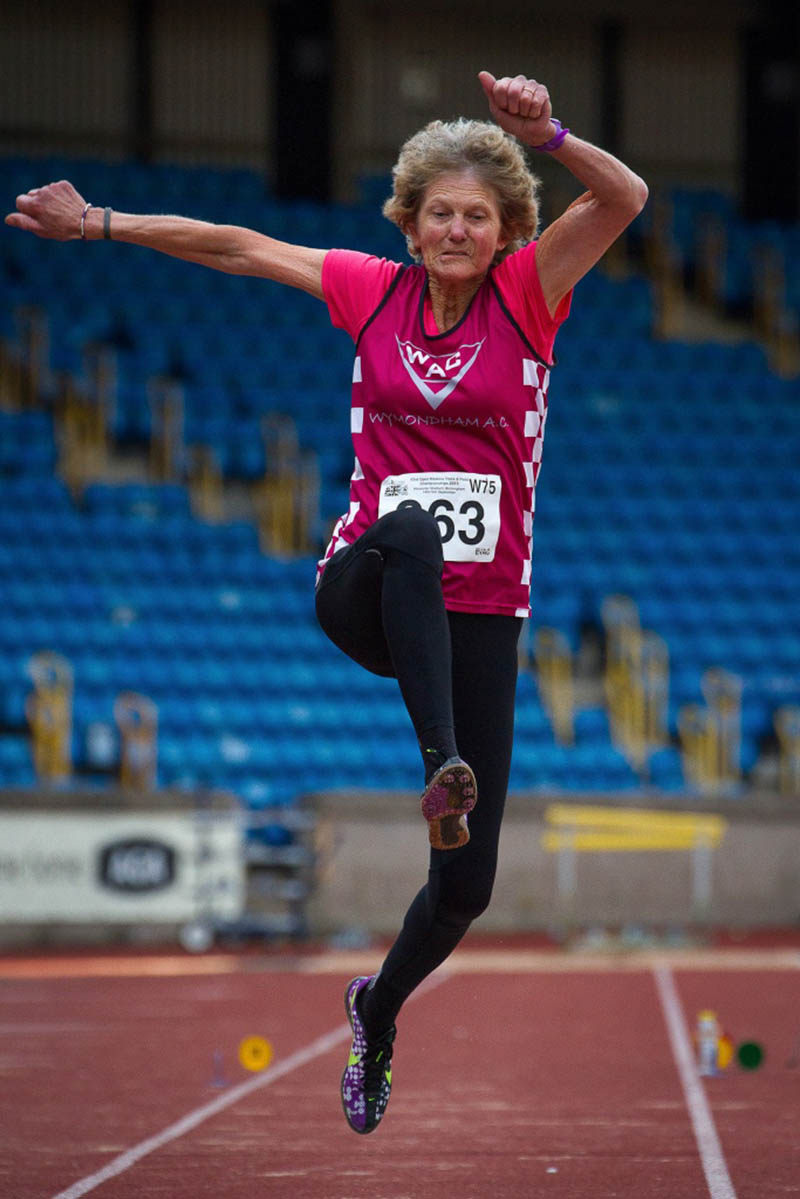
**Photo Caption: Anne Martin, born 1936. She won the triple jump for women ages 75-79 with a leap of 6.47 meters. Photo by Alex Rotas.



 TAKE A LICKING, KEEP ON TICKING.
 Senior Strength and Fitness