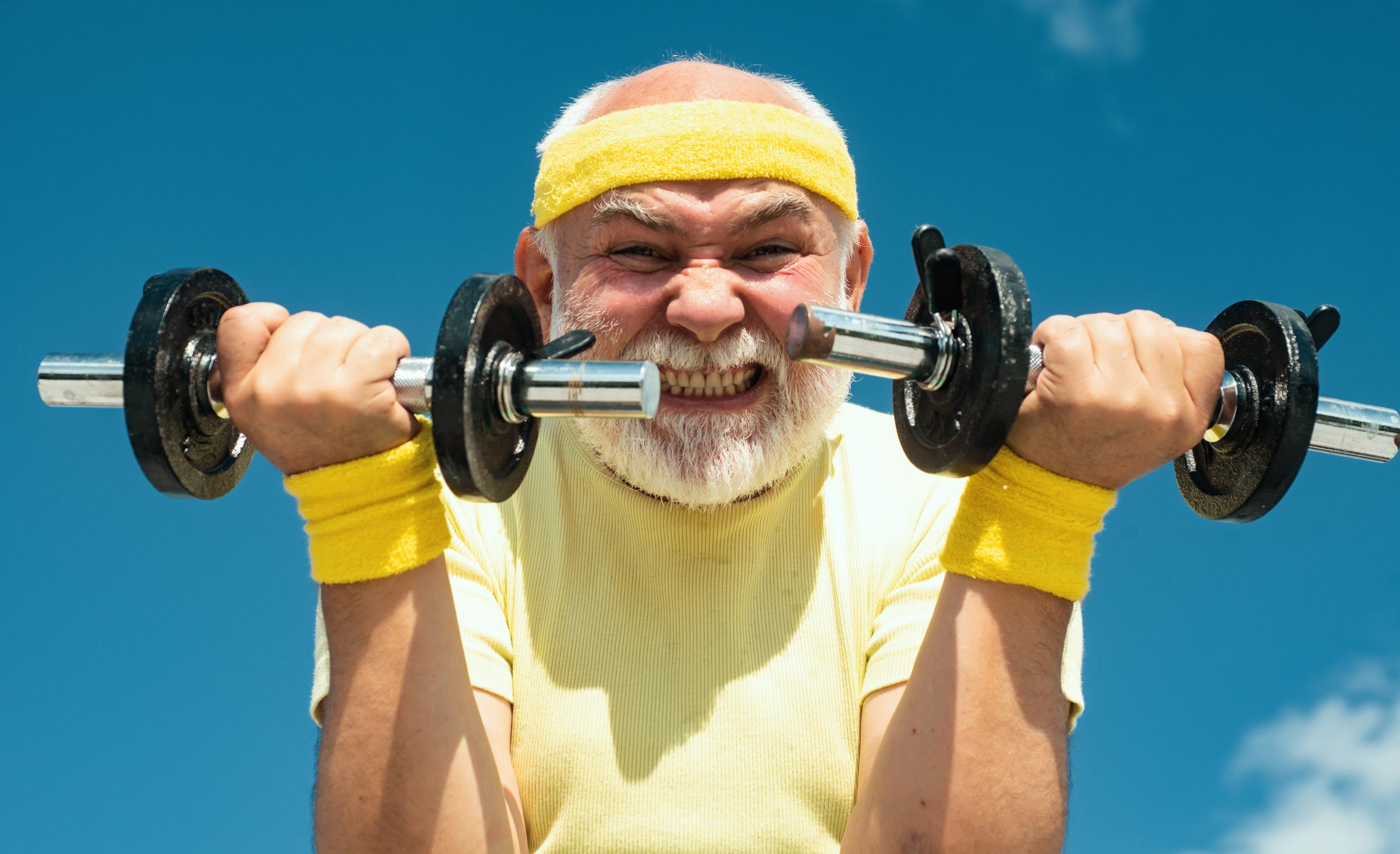
WHITE KNUCKLE RIDE! Stay Young with Grip Strength.
HOW THE CHINESE HELP YOUR HANDS: My mother-in-law had a massive tool collection. Everything from ice picks to hammers to chisels — she had them all. Why? Because the Chinese were torturing her in new and innovative ways. Part of that torture resulted in my mom injuring herself — on plastic edges that she couldn’t cut through. Lids that wouldn’t unscrew. Cartons that were glued together and impossible to tear open. It didn’t get easier for her, but she DID get stronger. Before you grow beautiful biceps and back muscles, you better get a grip. Let’s focus on a main predictor of youthful living and good health … hand strength.
HANG ON FOR DEAR LIFE: Of course, we all know that grip strength helps us with activities of daily living. But did you know it also helps with fall prevention, balance, coordination and even illness prevention? BioMed Central has suggested that Grip be considered one of the “vital signs” of a human being, especially when it comes to cardiovascular health. The PURE study points out that every 5-kg decrease in grip strength is associated with a 16 % higher risk of overall mortality. They claim it is a “stronger predictor than systolic blood pressure for cardiovascular mortality”. YIKES. The JAMA “Midlife Hand Grip Strength as a Predictor of Old Age Disability” study found that weaker hand strength among men was a predictor of disability down the road. In children, metabolic issues tend to rise in kids that have low grip strength.
THE WHITE KNUCKLE RIDE: There are many beneficial processes that take place when you work on your grip strength, stuff you don’t even think about. When you load up your muscles for bear and grip the dumbbells or machines, you are recruiting more muscle than if your grip was passive. In addition, you are intentionally forming stronger mind/muscle connection and coordination. Circulation, muscular control and coordination improve. An intentionally strong grip and lifting heavier weights contributes to bone density building via Wolff’s Law. The Cleveland Clinic takes this one step further stating that grip strength is related to the ability to recover from illnesses and injuries. When your grip declines, your bone minerals decline. While grip strength is not proven to be a cause of longevity, it does contribute significantly.
Intentional Gripping. Metacarpal Meditation.
HOW TO GET A GRIP: If you have some hand weights, just grip them harder. It’s that simple. You can buy grip strength finger hoops, spring-loaded finger exercisers and various degrees of squishy balls to make your hands strong. Take a pottery or sculpting class and put those meninges to good use. Give your spouse, friend or significant other a massage for 10 minutes a day. Wash the dog, the car, the horse OFTEN. Hand-wash and wring out your clothing. Decorate your lawn with boulders. Chop your own firewood. Take up baseball. Hunt whale. Take Stand-Up Bass lessons. Take Karate, then buy a Maki-Wara and start chopping. Bounce a basketball and shoot some hoops. Play very large congas. And if nothing else, join a gym and start lifting with a tight grip. It’s never too late.
Vicki Morgan ACE CPT is a Senior Strength & Fitness Personal Trainer in Franklin, TN. Look for her Seibukan Karate Class for Seniors coming soon at the Franklin YMCA. For more info, visit seniorstrength.net. Legal Disclaimer — Remember to consult a physician before beginning any diet or exercise program. If you experience pain or difficulty, stop and consult your healthcare provider. This article is not meant to take the place of any treatment or activity your physician has deemed necessary.
Help! I can’t lose this stubborn fat! The main reason most people hire a personal trainer is because they can’t lose weight on their own. A majority of PT clients believe that losing fat is more important than getting strong, developing greater bone density, preventing disease and mind/muscle connection. Just help me get rid of the fat! Well, here’s some good news. You may not be technically FAT.
Maybe you’ve tried to lose what you think is “fat” by diet and exercise, but failed to address the elephant in the room — STRESS. You push hard at the gym every day to exhaustion. You cut your calories so that eating is no longer enjoyable. At the end of the day, after your body has done all it can possibly do to keep up with the demands of your will, driven by fear of aging, not looking good enough (or whatever) –you insult yourself by looking in the mirror with disappointment and disgust.
Your body is trying to serve you, trying to please you, doing what it does to give you optimum health. Most of us are blessed enough to have bodies that are created that way. But if you feed it next to nothing, take pills to confuse its natural rhythms, push your joints and ligaments too hard without recovery, mutilate yourself to look younger by injecting poisons … ultimately you do nothing to prevent the fat / flab / inflammation from returning. If you have a body image issue, you may even see yourself as fat no matter what you do. These are just things to consider as you work to achieve optimal health.
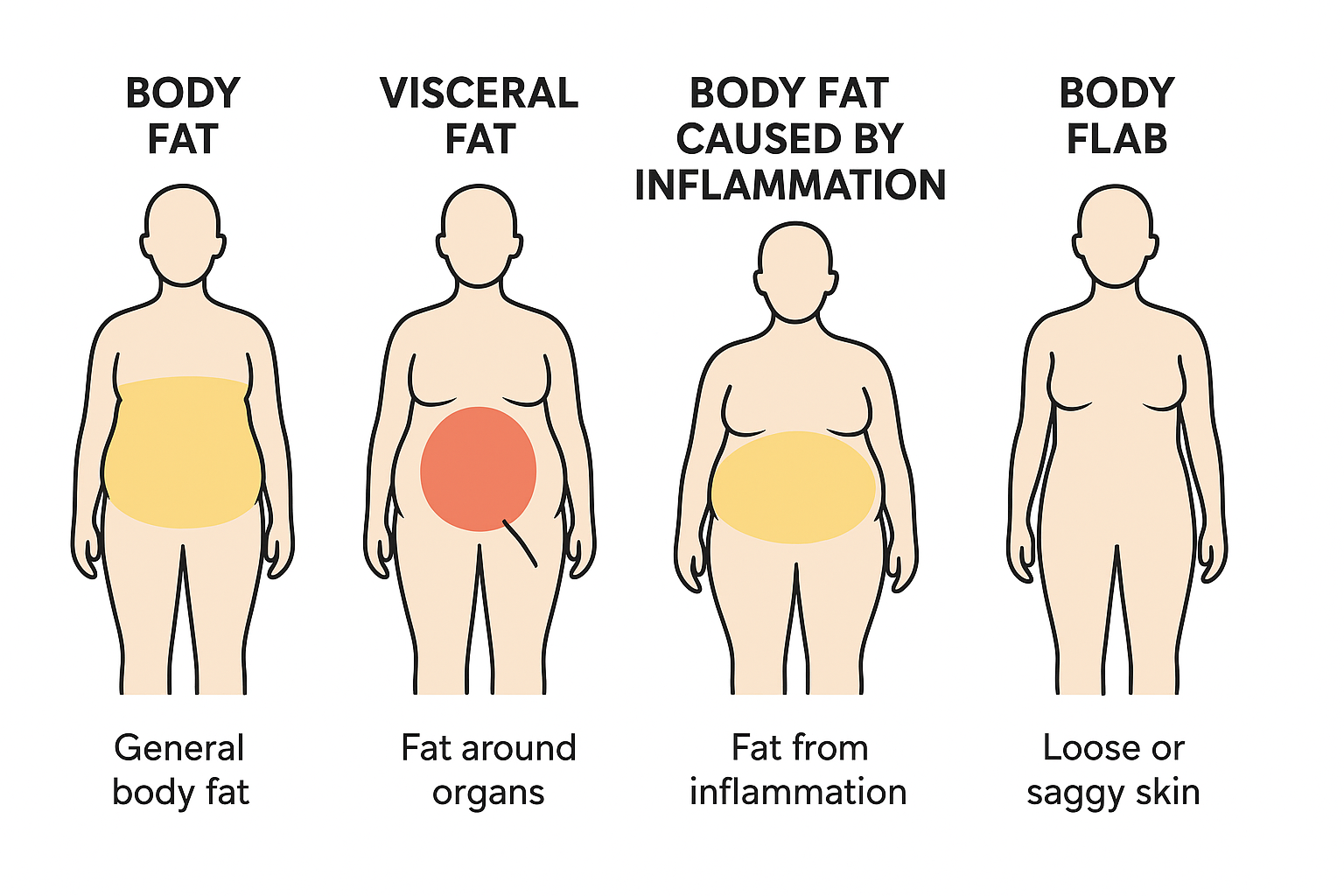
So … what you have may not be fat. It may be inflammation. If you are a muscular, trim person but you still have a double-chin and a goat-belly, it could be inflammation, not fat. There are three general types of “fat” which again, may not be fat at all:
FLAB (IE: Bat Wings, Chicken-Neck, Rooster-Chin, Saddlebags): FLAB is loose, saggy skin and soft tissue, caused by loss of muscle tone or loss of elasticity. You may be lower in body fat but still appear overweight from loose skin. This is VERY hard to lose. Be prepared to work hard building muscle. Muscle will “fill out” SOME of the loose skin, but very rarely ALL of it. Muscle burns calories much faster than fat. Even at rest, the more muscle you have, the more calories you will burn. If you have excess flab, all the supplements in the world will not help you. Some people choose to get an operation if the flab is severe enough.
INFLAMMATION: Stress, poor diet, food allergies and/or intolerance, autoimmune disease, pain or illness can cause chronic, low-grade inflammation, thereby causing you to appear fat. They alter a variety of hormones and encourage fat storage, particularly around the belly. Fat cells caused by inflammation release inflammatory chemicals, which puts you on a continuous merry-go-round. (My personal inflammation causes moon-face, double chin, puffy eyes, goat stomach, rashes, drooping eyelids, aching joints and I.B.S.) This is something YOU CAN CHANGE. Sugar, grains, wheat, dairy, too many veggies, too much fruit and fructose, alcohol, cigarettes, processed food, too much coffee and too many supplements —- you and I both need to GET OFF THIS MERRY-GO-ROUND. I did it for two weeks and all my pain and inflammation went away.
Body Image Stress: If you look in the mirror and cut yourself down, you are creating a whole network of beliefs which cut grooves into your brain, triggering a whole host of chemical responses. Your body is doing the best it can with what you’re giving it. Treat it better, and it will treat YOU better. We have hormones and chemicals in our own bodies that can heal and support us — let’s change our tune together.
VISCERAL FAT – THE ENEMY: This is the stuff that you want OUT OF YOUR BODY. If you want to be hard on yourself, do it by getting rid of the visceral fat. This fat is your enemy, and sometimes it HIDES. It’s found deep inside the abdominal cavity. Like an encroaching ambush, it surrounds your organs. You won’t find it by pinching — (that’s why I love DEXA and Bio-Electrical Impedance scales for measuring fat). It causes a firm, round “goat belly”. Sometimes the goat belly is very small, but far more dangerous than subcutaneous fat. It’s a predictor of disease and may be strongly linked to the “inflammation”fat” you find on the “outside”. If your outer inflammation is caused by visceral fat, you may have insulin resistance, diabetes, kidney issues, auto-immune disorder or heart disease. You’re technically not fat; it’s actually inflammation.
BOTTOM LINE: Diet. Exercise. Reduce Stress. Build Muscle Mass. Build Bone Density. Have compassion towards yourself. Rest. Educate yourself. Eat food the body was designed to eat. Chew well. Don’t have “food regret”. Build yourself up; don’t tear yourself down. Is it fat, flab or inflammation? When in doubt, rather than focus on how you look, focus on how you FEEL physically and emotionally. Heal well in both of these arenas. If you’re not sure what kind of fat you have, go for the visceral fat approach, or ask your health care person. Oh yes, and I’ll repeat myself here: EDUCATE YOURSELF and find your joy in the journey.
Vicki Morgan ACE CPT is a Private Senior Strength & Fitness Personal Trainer in Franklin, TN. Look for her Seibukan Karate Class for Seniors coming soon at the Franklin YMCA. For more info, visit seniorstrength.net.Legal Disclaimer — Remember to consult a physician before beginning any diet or exercise program. If you experience pain or difficulty, stop and consult your healthcare provider. This article is not meant to take the place of any treatment or activity your physician has deemed necessary.
Hate to exercise? Take up the accordion! Great for biceps, brain and hand grip!
Contrary to cultural
opinion, it’s okay if you don’t want to exercise. When Olivia Newton John
suddenly showed up with a short haircut, headband and those goofy shorts,
suggesting that we all “Get Physical”, not everyone got onboard. Some of us, in
fact, were so repulsed by the whole new “aerobics movement” that we ran as fast
as we could in the other direction, bought a pack of smokes and never looked
back.
Problems don’t manifest
when you decide not to exercise. Problems begin when you don’t want to move at
all … when the thought of getting in shape seems like such a daunting task,
you’d rather give up trying altogether. Well, this article is for you.
Aging people who are
grieving, hormonally imbalanced, in pain, depressed or overweight suffer more
than the rest of the population may realize.
The mojo stops working, the plumbing backs up, the noggin fills up with
cobwebs, the family jewels lose their sparkle, and it just plumb sucks. Someone
you love might be gently nudging you to join a gym, but to you, it’s just another
insurmountable task.
I know how you feel. Just
as a housecleaner doesn’t always feel like cleaning up his/her house after a
hard day’s work, so too, a personal trainer doesn’t always feel like staying in
the gym one more hour to do his/her workout. Not everyone likes to “move it,
move it.” So, for those of you who can’t bear the thought of exercising, here
are some ideas that may help inspire you to get off your duff.
Take up drumming! I did it, and it was a blast.
First:PLAY. Take up an instrument. It’s never too late. I personally decided to learn to play drums and it was the best thing I could have done for my coordination, concentration, mind-muscle connection and mood. You can pick up a used drum kit for around $250, or you can buy an easier, lightweight electronic drum set that will sit on your lap for around the same price. If drums aren’t your thing, try a wind or string instrument. Maybe learn to sing. My dad re-learned the sax at 80 years old. Playing music is great for your cardiovascular development and mental state of mind. You can even learn to play or sing while bedridden. There are teachers who will travel to your home via Taylor Robinson Music or Thumbtack. If you’re on a budget, there are plenty of free instructional videos on Patreon or You Tube. All you have to do is DO IT.
Second: DANCE. Couch-bound, wheelchair-bound or bedridden people
have no excuse. If you can move your feet, arms, and/or torso, you can indeed
dance. Don’t let your physical or mental limitations keep you from enjoying the
pleasures of moving to music. There are ways to dance no matter what state
you’re in. If you’ve packed your tunes away because you don’t have the full
capacity to move, bring them back out and rediscover your love of music. Just a
half hour of slight movement per day is enough to chemically release what your
body needs to improve function. There are dance instructors or personal
trainers who will come to your home and teach you how to dance without ever
having to stand up.
Third: SHOP N’ STUFF. For those of you who love to walk but feel
vulnerable outdoors, why not hit the mall or the public library? You don’t need
money to window shop, plus it’ll keep you current on the latest fashions and technology.
Think of it as education. The public library is chock full of free resources,
including hands-on tech and computer classes for seniors. If you venture out
for an hour a day, you can consider yourself having done the exercise minimum,
and you may even make a new friend.
Fourth: LET NATURE TRAIN YOU. My 72 year-old client and
his wife go on nature trips that would put any gym hound to shame. It’s not
uncommon for him to announce somewhere in the middle of his workout that he
went kayaking for three hours just two days ago. I think he uses the gym to relax
after his nature excursions! They hike up mountains, tube down rivers, set up
camp and rough it. That’s their idea of relaxing. In his world, gyms are just day-to-day
diversions from the real stuff. If you love getting pummeled by nature as much
as they do, then take the money you would have spent on a gym membership and
personal trainer (around $450.00 a month average) and get out of dodge!
Fifth: PAINT, ACT, GET ARTSY! It’s no secret that Franklin, TN is a wellspring for the senior arts. There are painting groups, sketching clubs, jewelry and pottery classes, senior acting groups, singing groups and all sorts of artistic endeavors that will help you develop talents you never knew you had! There are galleries that will showcase your art and help you sell your pieces. Speaking of acting, my mother-in-law became an extra in movies sometime in her 60’s. She’s been in more than a dozen major films and TV commercials! As an extra, sometimes you have to stand around all day and you may not get picked, but at least you’re out and about, and you may get a free meal out of the deal!
GET YOUR MOJO WORKING: So, in the immortal words of Olivia Newton John,
“Let’s Get Physical!” It doesn’t need to be in a gym, and you don’t even have
to wear goofy shorts and a headband. Try one of these outside-the-box ideas and
lo and behold – maybe your mojo will get a second life.
Vicki Morgan ACE CPT is a Private Senior Strength & Fitness Personal Trainer in Franklin, TN. She is also a Stretch Practitioner at Stretch Zone Thompson Station, TN. Look for her Seibukan Karate Class for Seniors coming soon at the Franklin YMCA. For more info, visit seniorstrength.net. Legal Disclaimer (aka blah blah blah) — Remember to consult a physician before beginning any diet or exercise program. If you experience pain or difficulty, stop and consult your healthcare provider. This article is not meant to take the place of any treatment or activity your physician has deemed necessary.
I have a few
friends over 50 who get up every morning at 4:30. One of them heads to her
freezing cold garage and hits the treadmill. Meanwhile, another group of women
arrive at the gym around 6 for a powerlifting lesson. These women hardly ever
complain. They appear to be at peace with their discipline, just sort of
floating easily through their day, accomplishing all they’ve set out to do.
They’re hard workers too. They make good money. They smile easily and often. We
exchange morning greetings and as we do, I secretly hate them. Not really hate,
but more like envy. They’re doing 155 pound squats for reps at 6:30 in the
morning, and I can barely keep a thought together in my head. For some people,
having the discipline to succeed comes naturally. For others like me, we have
to “trick” ourselves into being achievers. Call it “habits of success” if you
will. I prefer to call it “mind games.” One “master mind-gamer” is Jane Hann.
Jane is approaching 60. She is a high-functioning, well-respected environmental
manager. She oversees 25 employees. She makes a roundtrip to Denver nearly every
weekday. And get this … she LOVES her job. She is one of the most disciplined
people I’ve ever met. Not in a crazy way, but in a healthy, well-balanced way.
The only difference between people like her and people like me is the “A” word.
Go ahead and laugh. It’s okay. I’m actually talking about “attitude.” Attitude
towards life, exercise, the world, people … even herself. Jane makes it look
easy, but it doesn’t come naturally. She has to outthink herself. Consequently,
she has developed amazing insight about how to deal with people, how to problem
solve and how to stay disciplined. I recorded an audio podcast with her, and I
want to share some of the highlights here. Because let’s face it, some of us
need to be tricked into getting in shape.
Jane Hann
VICKI: Would you say that one of your main
responsibilities at work is to motivate those people to do their best? JANE: My job, as I see it, is to
help people do what they need to do in order to do their jobs well. Sometimes it’s as basic as getting them
funding or removing obstacles in the workplace. But this could also mean
helping them be appreciated by their customers by teaching them how to add
value to their customers’ daily life.
And helping people feel appreciated actually results in motivating
people to do their best and to be their best. VICKI: So I’m thinking this can be
applied to fitness. How long have you
been exercising? JANE: I’ve been exercising all of my
life, but I actually started exercising on purpose in college following surgery
and skin grafts from a malignant melanoma.
I was restricted from activity for months while the skin grafts were
healing. At the end of that time, I
found myself breathing really hard after climbing a short flight of
stairs. And that was not an acceptable
condition to me. Later in life I’d been doing hiking, biking, backpacking, snow
sports and that kind of thing. VICKI: But then just recently you
had an injury that left you unable to exercise.
Talk about what that was like. What did that do to your motivation? JANE: About a year and a half ago, I
was hiking Pike’s Peak and broke my lower leg bones and dislocated my ankle on
my right leg. And I was about a mile and
a half from the summit. So a helicopter
ride and two surgeries later, I found myself weak, and even though I tried to
keep active, it was very discouraging. I
couldn’t hike mountains and ride bikes like I used to.
I did a
little here and there, but the strength and the balance just wasn’t there. And
when my high-school age niece wanted to go backpacking with me last summer, I
had to tell her no. I wasn’t strong
enough. So I wanted to do something to
change that. The things I was doing weren’t
getting me there. VICKI: How were you feeling overall —
health-wise? JANE: I was finding that slowly over
time, as I was getting older, I was getting weaker in other places. My muscles were getting kind of flabby and
overall — it snuck up on me. And I
think it was this broken leg that made me realize that it was an overall health
problem. VICKI: And hiring a personal trainer
was one of the things you had to do to get moving again. But more than that, you had to play some mind
games with yourself to help you stay motivated.
Do you want to share some of those with us? JANE: Well, I’ve got quite a few
strategies in both exercise and in business.
Hiring a personal trainer was twofold for me. I was walking and jogging, sometimes up to
six miles on the weekends, but still feeling weak. I needed some new ideas on how to get stronger
and where I wanted to be. I also needed
weekly accountability. I knew it was
really important that I do something consistently in order to get to where I
wanted to be. And the weekly training helped that happen. As I got stronger, I became more motivated. You can do this with a personal trainer, a
coworker, a spouse or a friend. And when
you translate that to business, the more value you add to yourself, the more
you’re appreciated. The more you’re appreciated, the more you want to do the
work to get you to appreciate it again! VICKI: You talk about strategies,
but then you also mentioned some tricks that people can do; just little things to help them, to remind
them, or to propel them to get in shape. JANE: One is — just give it a
try. I mean, you can have so many
excuses, but did you really even try it?
I mean, in your head, you’re thinking about the reasons why you wouldn’t
want to do something. If you just give
it a try, you may find that it isn’t so bad, and you might actually have fun. So that’s one. Another is, visualize what
success looks like. What do you look
like? What are you eating/wearing? Who are you with? What does your typical day look like when you
are at your “ultimate you?” Don’t wait
until you’re there. You can get started
now. Doing exercise and watching my diet is part of getting to where I want to
be. Another is, listen to the excuses you give yourself and address them. I
didn’t want to do planks because my carpet was itchy. So I put a yoga mat on the carpet right by my
bed. When I got off my bed, I had to step on the mat. So not only is it not
itchy, but it’s right by the bed, so I can do it before my day gets busy. You
make up excuses, so listen carefully to what those excuses are and then remove
the excuse. Another one is — bribe yourself.
I love bagels. They’re not good
for me. But I can allow myself a
half-toasted bagel after I do a three mile run.
And sometimes that’s what gets me into my running shoes because I want
that bagel! In business, I make myself
finish the task at hand before I can get up and get another cup of coffee. So for me, bribing really works. Before I
broke my leg, I used to make excuses about bad weather. I didn’t want to go out and do my runs. So I had got a membership to a nearby gym and
at lunch I would go and run on the treadmill looking at the snow outside the
window. No more bad weather excuses!
I’ve learned through leadership in business, be brave enough to make the change
you need for a better future. In
business it might be that I need to change how my team is performing, whether
it’s through training or reorganization or communication. And you can do the same. You can train people
how to treat you, if you don’t like how you’re being treated. So the key is to focus on what gives you joy
in your life. What brings you joy?
Everyone wants joy. VICKI: Everyone wants joy, but it’s
difficult for people who feel like they’re trapped. I know a lot of seniors feel trapped in
either their bodies or their houses or their living situations, or whatever it
happens to be. So what about the seniors
who feel like they can’t make a move, or they can’t get motivated, or they
don’t even see the point? JANE: You don’t have to look at the
big long-range goal and say, “I’m doing that.” You can look at the short little
ones that are right in front of you. For
me, it was getting out once a week and getting some exercise and doing something. There is always something you can
change. It may take time, but eventually
you will see a progress towards that goal.
The goal doesn’t have to be a big grand one. The goal can be, “I can get up off the floor
a little easier.” Or, “I can pick up my plant to put it in the sink a little
easier.” The value of persistence is
about not backsliding, but in doing what brings you joy. Maybe you need to hire somebody to help you
with part of that. Or maybe you’re just
going to have to accept that it won’t happen overnight, but you still keep
going. At the end of the day, you need
to try to believe. You need to bring joy to your life. If
getting outdoors and being around nature brings you joy, you need to do that as
much as possible. Everyone wants joy in
their life. You’re not alone in this, and
you’ll find people along the way to help you.
Vicki Morgan ACE CPT is a Private Senior Strength & Fitness Personal Trainer in Franklin, TN. She is also a Stretch Practitioner at Stretch Zone Thompson Station, TN. Look for her Seibukan Karate Class for Seniors coming soon at the Franklin YMCA. For more info, visit seniorstrength.net. Legal Disclaimer (aka blah blah blah) — Remember to consult a physician before beginning any diet or exercise program. If you experience pain or difficulty, stop and consult your healthcare provider. This article is not meant to take the place of any treatment or activity your physician has deemed necessary.
A client of mine shocked me with a confession while on the
Elliptical one day. She said, “Sometimes
when I see an overweight person struggling to walk, huffing and puffing, I
judge them. I can’t help it. I know I shouldn’t look down on them, but I do.”
After thoughtfully considering what she said, I went to my locker and
emerged with a 25-pound weighted vest. 25 pounds of dead weight is not light,
by any means. She grunted audibly as I placed it over her small frame. Her eyes
got really wide when she realized my evil plan … I would make her do the
remainder of her workout with the vest on. The pull-ups, goblet squats and
deadlifts that she executed with prideful ease were suddenly challenging in
ways she could never imagine. Just walking around the gym was a challenge. The
weights wobbled to and fro, forcing her to use her core to keep from toppling
over. Everything was a struggle. Even sitting on the toilet took a sort of
concentration and exertion she’d never known as a small-framed person.
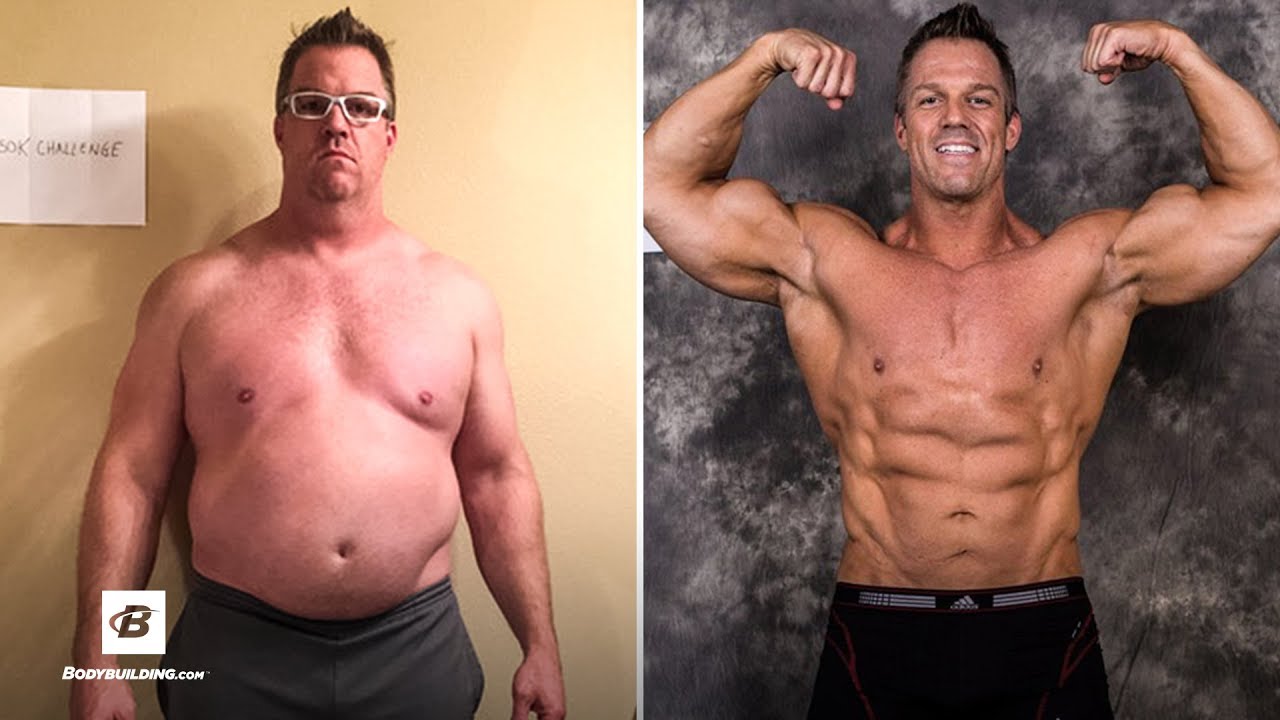
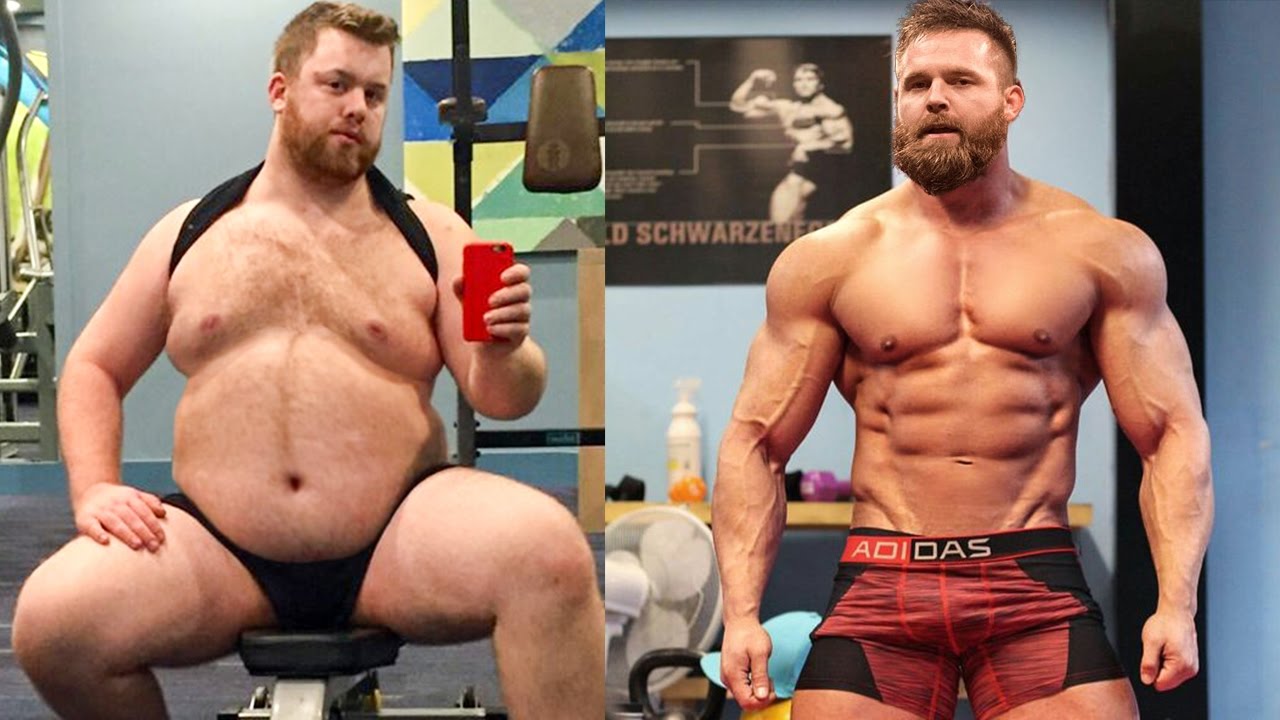
I didn’t chastise her for her guilty confession. Some people, whether they realize it or not, judge the big guys and gals … not knowing what being large actually feels like. If you’re an obese individual, you know the very depth of what I’m referring to. But here’s the good news: While you’ve been living with obesity you have actually been working out much harder than we skinny folk. You’ve been lifting more weight, doing heavier leg lifts, and burning more calories. So believe it or not, when you set your mind to it, you’re going to lose weight much faster than your thinner friends. Here’s why: As a bigger person, you have a higher metabolic rate naturally, which means you need more calories to maintain your weight. When you go into caloric deficit (on a diet, for instance) you have more options for calorie reduction. So if you need 3000 calories per day, you can cut that by a third and lose weight without too much difficulty. From a physics standpoint, a heavier object will require more “work” to move than a lighter object. Work equals calories burned. Let’s say you weigh 200lbs and your buddy weighs 150. If both of you work out at the same intensity for the same amount of time, you will burn more calories. If you both decide to eat 500 fewer calories a day, you will lose more weight initially, much faster than your buddy. As you gain muscle, your metabolism will get a boost, resulting in even higher calorie burns and a healthier/leaner you. And here’s the best news of all … underneath all that adipose layering, there is a beautiful set of well-developed muscles waiting to be revealed to the world. As an obese person, you’ve already been working hard for every step you take. Which means your muscles are already surprisingly developed. In fact, bodybuilders go through what’s called a “Bulking Phase” before they get “shredded” for competition. The Bulking Phase isn’t glamorous. You won’t see bulking pictures in GQ Magazine. But know this – in order to get competition-style muscles, you need to bulk up. So for those of you who are overweight, you now can tell your friends that you have been in a “Bulking Phase” and are getting ready for phase two.
Not everyone wants to look like a
bodybuilder. Don’t worry … you won’t. Most competitive bodybuilders use
anabolic steroids (and other drug cocktails) in massive amounts to achieve that
look. But know this … as you lose
weight, you don’t have to be afraid that you won’t have any muscles at all. The
muscles are there, otherwise you wouldn’t be able to carry yourself around. The
larger you are, the more developed your muscles are likely to be.
Tim Bell is a perfect example of a
healthy weight loss transformation. After encountering some family tragedies over
a four-year period including loss of lived ones, financial distress, bankruptcy
and many other challenges, he hit bottom.
“I had not been taking care of myself. I was a daily cigar smoker and had put on a lot of weight. I did not exercise, I was growing old fast. The Peach Tree Road race was being held on the 4th. It is the biggest 10K race in the world. My brother said to me, “Next year we should commit to running in it.” I said, “I am in”. The goal had been set. This was my opportunity to work on me. That was it. It was my calling. As I am writing this, I have lost 40.4 lbs., more important, I feel and see the change. It has been a difficult task but very well worth it.”
Tim Bell – Overcoming four years of tragedy with a new fitness goal.
If you are a large person in a “Bulking
Phase” and you’re considering a journey back to healthy weight, here are a few
things to keep in mind:
By being large, you’ve developed a thicker skin, a tolerance for failure and a determination to keep moving no matter what. These are necessary traits for athletes. The journey will probably take you between two and seven years. Get ready for the long haul.
For every 5lbs of muscle you gain, you burn 500 more calories per day. You will need to burn more calories than you consume each day. It takes a deficit of 3500 calories to lose 1lb. To do this safely, see a licensed nutritionist.
When losing weight it’s important not to focus on the success of others but only to measure your progress based solely on yourself.
The closer you get to your goal the harder it will be to lose the weight. There will be times of plateau and even times of setback.
Finally, some words of wisdom from Craig Ballantyne: “The harsh reality is that most people do not want to see you succeed. People will try to hold you down. Find others who share your goals to lose weight, and so that you can leverage their knowledge, commitment, support, and success. Research shows that when you hang around others who succeed that you will also succeed.”
So bottom line, don’t knock the big
folk. They’re working out harder than most of their peers just by being big.
With the right weight loss and exercise program, they have a better chance of
maintaining attractive, healthy muscle development than the rest of us.
REFERENCES: Troy Taylor, NASM Elite Trainer, National Academy of Sports Medicine, Ann Prokenpek, NASM Elite Trainer, Bodybuilding.com, TransformationContest.com, FOX8 Cleveland, YogaPosesAsana.com, EarlyToRise.com
Vicki Morgan CPT ACTION is a Senior Strength & Fitness Trainer and Stretch Practitioner at the YMCA and Stretch Zone in Middle TN. You can reach her at victoryfitnessteam@gmail.com. Remember to consult a physician before beginning any diet or exercise program. If you experience pain or difficulty, stop and consult your healthcare provider. This article is not meant to take the place of any treatment or activity your physician has deemed necessary.
6 a.m. in the health-happy Favre household. Mr. Favre and the dog
have already been around the neighborhood for their usual 3-mile morning run.
After everyone leaves, Mrs. Favre is ready for her jog. She grabs the leash,
grabs the dog and takes off. In the middle of the day, she goes on another 2
mile walk/jog, dog in tow. When her 9
year-old football star son gets home, he grabs the leash and goes on his 5-mile
afterschool run with their faithful furry friend. Mr. and Mrs. Favre enjoy
their nightly walks … another two miles … just the two of them, with the family
pet.
This was their routine for nearly two years. As busy as they were,
they still had time for fitness. But, as busy as they were, they didn’t notice
how skinny their dog had become. One afternoon, the son grabbed the leash and
called the dog. The dog did not come. He called and called. The whole family
was looking for the dog, who they found cowering underneath the couch. The dog,
it seemed, had had enough. For the next two weeks, the dog ran and hid every
time he heard the jingle of the leash.
He had discovered new and inventive places to hide. Upon examination,
the vet said he was entirely pooped out and a little hungry!
We don’t like to think that we’re abusing our bodies when we
train. We like to think that we’re “pushing ourselves” or “challenging
ourselves”. The old adage, “No Pain, No Gain” still rules our hearts and minds.
We think we’ve mastered our bodies; we’ve assumed control. We are certain that
if we stop training, we will lose everything we’ve worked so hard for and just
shrivel up and die.
Believe me when I say, I have dear, dear friends who believe this.
They cannot imagine taking one day off from “pushing themselves to the
limit”. Even when they’re sick, they get
up at 4:30 and go to extremes to stay fit. Some of them take it too far. Those
that overtrain are prone to injury, infection, pain and burnout. And in my
humble opinion, they aren’t running gleefully towards fitness; they are running
away from death and disease.
Which one are you? One who trains joyfully towards fitness? Or one
who trains because you’re in fear for your life? For most people, it’s a
healthy balance of both.
Not everyone who pushes themselves overtrains. In fact, overtraining
is a rare condition. Overtraining does not mean training too much. The sports
science definition is “A physiological state caused by an excess accumulation
of physiological, psychological, emotional, environmental, and chemical stress
that leads to a sustained decrease in physical and mental performance, and that
requires a relatively long recovery period.”
Overtraining is much different than Overtaxing. How can you tell if you’re overtraining? It’s
a fine line. If you do a workout that is too rigorous, you’ll stress the nervous
system. In addition to the normal muscle
soreness and fatigue, you may feel something similar to a hangover. You may lose focus and energy. A headache
might trouble you for days.
Those symptoms may indicate a simple case of overdoing it. When
you overdo it, chances are you’ve overloaded the hormonal system.
It’s likely you’ve elevated your cortisol, which causes inflammation
and depletes testosterone. Both men and women need normal levels of
testosterone. Working out too hard has its risks. But overtraining is a
different animal. If you’re the most rigorous athlete in the room, constantly
sore and drained yet not seeing any noticeable results, you could be overtraining.
Overtraining will kill your progress and
replace it with muscle loss and apathy. It’s more of a mental state similar to
burnout, depression, or illness.
STRESS AND OVERTRAINING
Overtraining Syndrome begins with the release of stress hormones
(glucocorticoids like cortisol, for example) and an overexertion, or fatigue of
the adrenal glands. If you already suffer from job stress, relationship
difficulties, grief or chemical toxicity, you are at high risk for
overtraining. With that said, a few no-gainz
workouts does not mean you’re overtraining. It means you’ve either got a hidden
injury or you need to back off for a week. If you actually develop honest-to-goodness
Overtraining Syndrome, it will take you months to recover … not days or
weeks.
STIMULUS AND
OVERTRAINING
Most fitness junkies are actually addicted to the stimulus, using
your muscles not so much for gains but for the emotions and sensations you
experience during the workout. Stimulus addicts rarely lose motivation to
train. Your enthusiasm will keep you reading up on the latest training
techniques and being proud of what you’ve mastered. But take heed. If you pride
yourself on working harder than everybody else you know, you may end up with a
feeling of stagnation or failure when the physical results don’t come. In fact,
people around you who don’t hit it as hard as you may even seem to get better
results! Why? Because you’re forcing your body into cortisol overproduction,
rendering your workouts at least 50% useless. Not that cortisol in and of
itself is a bad thing, but too much of it reduces the amount of pregnenolone that
you have available to produce testosterone. Hence, you may notice increasing
flab and decreasing muscles despite your pounding away … and you may generally
feel like crapola.
HITTING ROCK BOTTOM
Overtraining manifests itself as the blues. No energy. No
motivation. No joy. You get an anxious feeling when it’s time to go to the gym.
You can barely drive yourself there. You have to drag yourself onto the
treadmill even though you’re dreading it. You can’t even imagine picking up a
5lb dumbbell. The thought of it just about makes you get sick. And despite
being the hardest worker you know, you keep hurting yourself. The gains are not happening. In fact, you’re
getting weaker. The doctor can’t find anything wrong with you. Even though the
condition is rare, you probably have Overtraining Syndrome. The Favre’s dog is
a perfect example.
NOT HITTING ROCK BOTTOM
Most of you probably don’t have it. So for the rest of you whiners
who are simply pushing yourselves too hard lately, take a few days off. It
won’t kill you to rest. Don’t be a showoff. Humble yourself into submission and
give your hormones a break. Then get back in the saddle whether you feel like
it or not, and hit it hard!
Vicki Morgan A.C.E. is a Senior Strength & Fitness Trainer
at Flex Gym and Fitness. You can reach her at seniorstrength.pro. Always consult your physician before beginning
any exercise program. If you experience pain or difficulty, stop and consult
your healthcare provider. This article is not meant to take the place of any
treatment or activity your physician has deemed necessary.
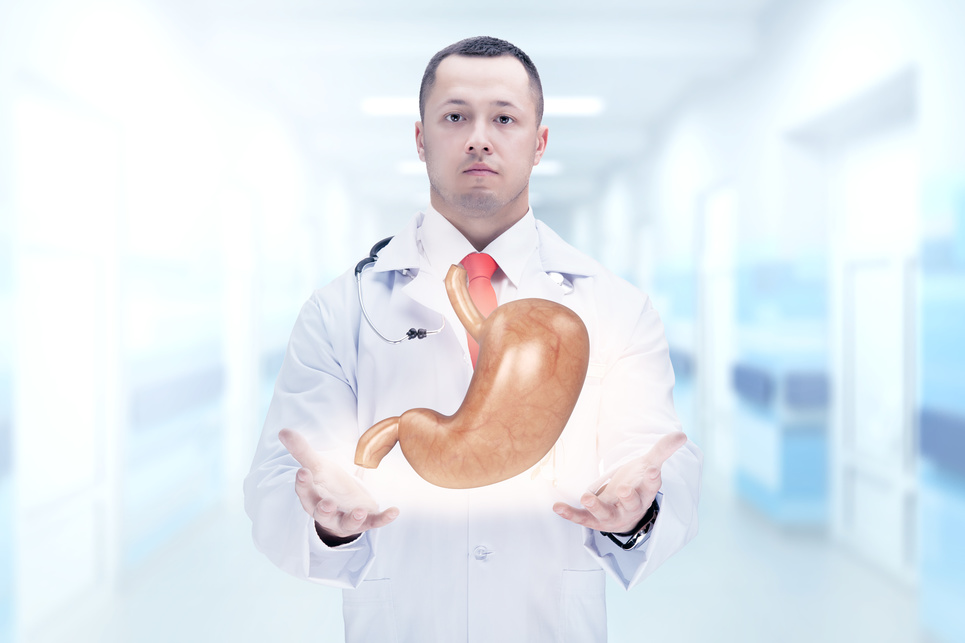
Doctor with stethoscope and stomach on the hands in a hospital. High resolution.
In part one of this blog, I talked about the
importance of gut health, which is vastly different than having a “fit”
exterior. In other words, you may have nice muscle definition and low body fat,
but overall health begins on the inside. Case in point … a person struggling
with a folate deficiency may look terrific, but feel rundown mentally and
physically. TRUE HEALTH BEGINS ON THE INSIDE
Complete body wellness stems primarily from the gut, and a healthy diet is one
of the keys to that door. But does exercise help? Absolutely. In recent
studies and clinical trials (performed within the last year), researchers have
found that regular exercise changes the microbiota in the gut, stimulating the
production of fecal Short Chain Fatty Acids, or SCFA’s. SCFA’s have a direct and
indirect influence on our well-being. Researchers worldwide have concluded that
SCFAs critically support immune regulation as well as organ and tissue metabolism.
The SFCA Butyrate is especially effective against chronic inflammation,
metabolic disorders and atherosclerosis. Other diseases that are associated with a
negatively altered composition of the microbiota include obesity, coronary
heart disease, diabetes and ulcerative colitis.
The results just keep rolling in. I encourage you to do the research. These
studies are done independent of diet. For those of you who shy away from the
“D” word, this is excellent news. You can start moving and grooving your guts
and improve your health, without going on a diet! Don’t be surprised though …
once you start exercising, you may start craving healthier foods. Follow those cravings.
Here’s just one example of the many recent
studies being done: A research team was formed by Jacob Allen (Postdoctoral Researcher at Nationwide
Children’s Hospital in Ohio) and Jeffrey Woods (Professor
of Kinesiology and Community Health at the University of
Illinois). They recruited 18 lean and 14 obese sedentary adults and sampled
their gut microbiomes. The subjects began an exercise program of supervised cardiovascular
exercise, 30-60 minutes three times a week for six weeks. The team sampled the participants’
gut microbiomes after the exercise program and again after following six weeks
of sedentary behavior. There was no required diet. The result? Fecal measurements
of SCFA, especially butyrate, increased as a result of the exercise program. When
the subjects returned to sedentary life, the levels declined. This was confirmed every which way including
genetically. LET’S
GET MOVING
So let’s get moving … bowels and
otherwise! With the blessing of your health care provider, begin an exercise
program consisting of supervised cardiovascular exercise. Three times a week
for 30-60 minutes with a commitment of six weeks should do it. If you’re unable
to do that kind of cardio, consider a low intensity program. Low intensity exercise is enough to reduce
your transient stool time, thereby
reducing the contact time between pathogens and your gastrointestinal mucus
layer. And THAT means you reduce the risk of colon cancer, diverticulosis, and
inflammatory bowel disease. Switch to high intensity interval training and you increase fat and sugar oxidation, which generates adenosine
triphosphate (ATP Energy).
Zumba, Water Cardio, Drumming Class, Step Class, Body Pump,
Hot Hula … all of these have a Silver Sneakers’ version if you need to start
slow. One final note: It’s important that you don’t exhaust yourself and over
train. Overtraining creates body-stress and may have an adverse effect on your
gut microbiomes. Same with insufficient recovery. Remember to refeed in
accordance with the recommendations of a trusted athletic nutrition source.
Here’s to healthy stool production, a helpful array of microbiomes, increased
fecal Short Chain Fatty Acids, less disease and more energy overall!
Vicki Morgan C.P.T. is a Senior Strength Trainer at Flex Gym with ACE certifications in Post-Orthopedic Recovery and Nutrition Essentials. At age 55, she enjoys powerlifting and bodybuilding. Reach her at seniorstrength.pro. Consult your physician before beginning any exercise program. If you experience pain or difficulty, stop and consult your healthcare provider. This article is not meant to take the place of any treatment or activity your physician has deemed necessary.
Senior man with glass of fruit smoothie sitting in the kitchen
NO
GUTS, NO GLORY No, this isn’t a pep
talk about the courage to get in shape. This is a “pepsin” talk for people who,
quite literally, don’t have the guts to get healthy. They have the courage, but
not the guts. By guts, I mean intestinal fortitude, a clean colon, healthy
liver and a strong core. You may be successful in the gym, but your health is
still in jeopardy without gut health and core strength. You may have nice muscle
definition and low body fat, but physical appearance has very little to do with
overall health. Needless to say, gut health goes far beyond diet. Core strength
goes far beyond having six pack abs. FARM FRESH FOODS & GREAT GRANDMA’S CONCOCTIONS
I know a lady in her late 70’s who’s slightly overweight. She never bothered to
exercise. We were lunching together at a church picnic and she’s enjoying ALL
the yummy stuff … basically eating whatever she wants. I’m sitting there with
my bunless grass-fed beef burger, broccoli bits and unsweetened applesauce.
“Doesn’t any of that junk food bother you?” I asked. “Nope” she replied. “I can
eat just about anything.” After much conversation, we discovered the answer to
this great mystery. As a little girl,
she was raised on a farm. Her entire family worked the land and ate fresh, homemade,
unprocessed foods (as did almost everyone from that generation). When she did
get ill, her mom would administer great grandma’s homemade medicine for
whatever ailed her; cough, flu, stomach ailments … chigger bites. In sharp contrast, kids from my generation and younger were treated to a
host of preservatives, fillers, dyes, sweeteners, prescription drugs, GMO’s and
poisonous foods disguised as “healthy”. Consequently, we’re allergic to
everything, can’t eat anything and are medicated way beyond reason. Yes, we can
do 100 squats in a CrossFit session. Yes, we can lift heavy weights and run 5
miles a day. But we can’t eat a freakin’ sandwich without getting the runs and
breaking out in hives.
Now I’m asking myself, “Is this what
healthy is supposed to feel like?”
FIRST,
THE BAD NEWS. As the New Year turns a
corner, many of you have considered joining a gym and getting in shape. That’s
great. But if, after all the diet and exercise, you still have stubborn belly
fat, irritable bowels, fatigue and food sensitivities, you may have an unhealthy
gut. The point of getting in shape is not just to look good; you should feel
good too. Without a healthy digestive system, your body won’t be able to
recover. Your supplements, protein powders and expensive veggie drinks will
simply slide unused through a skinny hallway of nearly petrified fecal matter
(your colon) and into Colorado Springs’ septic system. Well … that’s one way
your money goes back to the city government!
IN
PART TWO … True health begins on
the inside. In my next blog, since this is about Fitness, I will address
exercises that you can do to strengthen your gut and colon. Plus, I’ll share a
valuable checklist so you can be sure you’re using safe, healthy methods for
muscle recovery and regeneration.
Vicki Morgan C.P.T. is a Senior Strength Trainer at Flex Gym with ACE certifications in Post-Orthopedic Recovery and Nutrition Essentials. At age 55, she enjoys competitive powerlifting and bodybuilding. Reach her at seniorstrength.pro. Consult your physician before beginning any exercise program. If you experience pain or difficulty, stop and consult your healthcare provider. This article is not meant to take the place of any treatment or activity your physician has deemed necessary.
If you’re
reading my blogs, you may be at the point when you’re ready to do something about your state of fitness.
If you’re already training, maybe you’re ready to step it up a notch. If you’re
not training, maybe you’re ready to start. High blood pressure, diabetes,
osteoporosis liver fat build up, muscle loss … these things don’t go away on
their own. So it only stands to reason that you would want to take action.
Hiring a Personal Trainer may NOT be the best first step however.
As a Personal Trainer,
I’m probably shooting myself in the foot here, but I’ll gladly do it because I
hate to see people hire a trainer when what they need is a physical therapist. I see so many older folks, limping
and hobbling around with the same Personal Trainer year after year. They’re
hobbling because they have underlying imbalance, postural and muscular issues
that cannot be corrected with exercise.
Will exercise
help them? YES. Will they make significant improvements without correcting the
underlying issue? NO. In fact, training without addressing an underlying issue can
cause further damage … especially if the trainer is uncertified or new, and has
absolutely no clue how to perform corrective training. Will trainers happily
collect money from imbalanced clients for years without improving their
mobility? YES … the greedy ones will.
So let’s find
out what different practitioners do, and don’t do.
PHYSICAL THERAPISTS
According
to The American Council on Exercise, Physical Therapy students spend at LEAST 7
years in formal education; earning first a Bachelor’s Degree in Physical Therapy, kinesiology, sports medicine or a similar field. Then it’s off to
graduate school where they’ll earn a Doctorate Degree in Physical Therapy
(DPT). Upon completion, they study 8 hours a day for three to six months to
pass the NPTE (National Physical Therapy Exam for licensure). Physical Therapists
also need to be licensed by the state they practice in and fulfill state
requirements such as jurisprudence exams, according to the Bureau of Labor
Statistics. They must also take continuing education courses to keep their
practice updated to maintain their license.
THE ROLE OF A
PHYSICAL THERAPIST
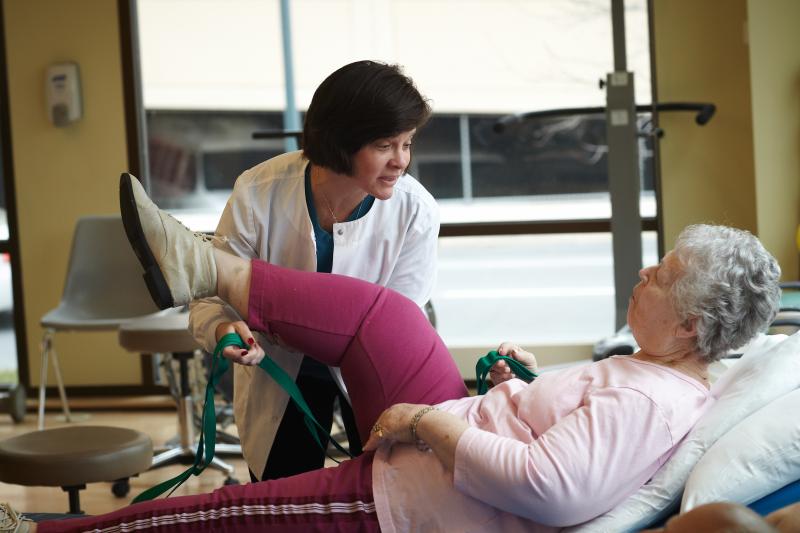
Physical Therapists diagnose, treat and rehabilitate patients
who have an injury or disease that limits their movement. Their job is to help
patients move independently, alleviate pain and prevent disability. They often
work with patients with joint and muscle pain, multiple sclerosis, arthritis,
cerebral palsy, stroke, spina bifida, injury, and post-surgical
conditions.
PERSONAL TRAINERS
Welcome to
the soapbox, folks. You may be shocked to find out that personal training does not have an educational standard and is
self-regulated. Certifications are available, and the most respected of them
take 4-9 months of full time study, with a pass rate of around 58%.
Requirements
to be a Personal Trainer: 18 years of age. They should also be
CPR and first-aid certified. That’s it. There is NO REQUIREMENT for formal education,
legitimate licensure or continuing education. The best organizations will offer
continuing education, specialty certifications and informative publications for
their participants. Reputation is what distinguishes the good organizations
from the shoddy ones, but there are no official standards in place.
The fitness clubs decide for themselves who will train their precious
members. Some will allow “uncertified” trainers to work at their facility, or
they may offer some sort of “quickie certification” to trainer wannabees. These
“quickie” certs cost the newbie about $200 and are easily obtained. Heck … I’ve
even seen ads online for $79 certifications. Are we shocked? NO.
So your trainer may have a master’s degree in biomechanics with five
years of experience working at a clinical setting, or may have a quickie
license with no experience whatsoever. If they’re smart, they’ve memorized
the “training lingo” very well and can hustle you into a co-dependent
relationship that will last for years.
THE ROLE OF A PERSONAL TRAINER The
role of a Personal Trainers is to design exercise programs and help clients
execute them to maintain or improve their health. If your trainer does not have
a designed program in place for you, ask for one. Besides
programming, Personal Trainers also motivate clients to a healthier lifestyle,
help prevent injuries with proper form and follow through with the client’s
physician or Physical Therapist’s advice. They should also screen clients’ movement
patterns to make sure that they can move freely without pain or limitation.
ARE YOU ON THE RIGHT ROAD? You
may complain to your trainer about severe back pain, troubles with mobility, diabetes-related
symptoms. These issues blur the line between fitness and medicine, and by law,
your trainer is required to at least suggest
that you see a proper health practitioner. Problems like these are beyond a
trainer’s expertise, and if he/she has your best interest in mind, a
recommendation will be given.
A
friend of mine is a Physical Therapist. He has a National
Certification in Athletic Training. He has worked with athletic teams on
all levels including high school, collegiate and professional. He’s quick to
point out the value of both PT and fitness training: “Research shows that Physical Therapy can get you moving better,
aligned better and feeling better, but it is exercise that’s going to keep you
there, and prevent you from re-injury.”
Lately,
he has noticed a decrease in how many PT sessions insurances were willing to
cover. He was concerned that he was sending his patients out without the
strength they needed to perform activities of daily living. For this reason, he
works in tandem with an outside trainer. Working with a trainer allows him to co-monitor
a patient who’s just been released from PT.
That
way, he can make training recommendations and keep informed of the patient’s
progress. “We get patients so that
they’re functional again, but we want to take them beyond that … into higher
goals and also the preventative stage. If they don’t continue to maintain and
advance, they’re going to end up back in our clinic with another injury …
somewhere else. The people that are able to continue to exercise stay healthy.
We’re here if they get reinjured, but if we can prevent that from happening …
that’s the whole goal.”
THE BOTTOM LINE
When in doubt, see a Physical Therapist. Don’t rely on your Personal
Trainer to perform the work of a Physical Therapist. While PNF stretching and
foam rolling are well within the scope of practice for a Personal Trainer,
manipulation and massage therapy are not.
If you experience significant pain during regular physical activity that
others don’t seem to have, it may be time to address then with PT, then return
to your Personal Trainer afterwards. By the same token, PT’s are not gods. They
can be wrong, and I’ve gone to battle with a few of them regarding squat form,
functional movements and strength training. BUT … when the chips are down, your
Personal Trainer should be mature enough to realize that the ultimate decision
rests in the hands of the licensed health practitioner … and the client of
course!
See you at the gym!
Vicki Morgan A.C.E. is a Senior Strength Trainer at Flex Gym. Reach her at seniorstrength.pro. Always consult your physician before beginning any exercise program. If you experience pain or difficulty, stop and consult your healthcare provider. This article is not meant to take the place of any treatment or activity your physician has deemed necessary.
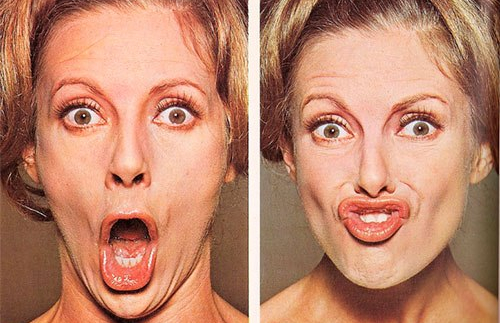
Squinting, blinking,
making faces, rolling eyes and sticking out the tongue. Standard operating procedure for a young
brat. Who would have imagined that these foolhardy things we used to do as kids
would resurface as the latest fad … Facial Yoga?
Actually, it’s not new at all. For generations, men and women from Asia have
passed down the practice of facial exercises for fitness, peace of mind and
beauty. Cleopatra and other well-known beauties were thought to have practiced
facial exercise. Following suit are
celebrities like Gwyneth Paltrow, Reese Witherspoon, Madonna, and Jennifer
Aniston.
It only stands to reason that if exercising your body increases blood flow,
tones muscles, improves skin condition and relieves stress, so does exercising
your face. Face Yoga is generally given two thumbs up by doctors, because it’s a
non-invasive method of smoothing out lines and wrinkles. No drugs, no
injections, no recovery time. No Botox, no surgery and best of all, no cost. It
just takes dedication and patience, just like anything else that’s worthwhile.
So how does it work?
When you stimulate the muscles of the face by forcing specific motions, the three
layers of skin … namely the hypodermis, the dermis and the epidermis … respond.
It’s like training any muscle. Collagen and elastin production is stimulated.
The Central Nervous System receives messages of new use and movement. When you
work all the layers correctly, you increase the blood circulation, which allows
more oxygen and nutrients to reach your skin’s cells. Remember, your skin is
the largest organ of the body. Slathering it with expensive moisturizer is just
a small part of how you should maintain your face. If you stick with it, you’ll
end up with visible results … a healthier complexion and skin which holds
moisture more ably.
It’s never too late
to start. What’s true for the muscles in your body is equally true for your
face. You’ll need to make a habit of it, however. An effective routine is 20
minutes a day, 5-6 days a week. Facial Yoga experts report noticeable,
long-term results in those who stick with it for two weeks or more. And it only
gets better. After a few months, people usually start to notice other benefits
such as reduced tension and better facial hydration. Hey … there’s certainly no
harm in trying, and it’s better than a kick in the head (as the saying goes).
I personally don’t teach facial exercise, but former college teacher Fumiko
Takatsu does. When she was 36 she got into a terrible car accident. She
developed a fear of aging and lost all self-confidence. To help herself recover
from what essentially was PTSD, Fumiko created her own brand of Face Yoga.
Fumiko claims to be the first person to advocate Facial Yoga in Japan, and has
been practicing yoga for over 30 years. You can find her at faceyogamethod.com.
Vicki Morgan A.C.E. is a Senior Strength & Fitness Trainer at Flex Gym and Fitness. You can reach her at seniorstrength.pro. Always consult your physician before beginning any exercise program. If you experience pain or difficulty, stop and consult your healthcare provider. This article is not meant to take the place of any treatment or activity your physician has deemed necessary.







 Senior Strength and Fitness